Choosing the right clear plastic containers is essential for effective storage. Experts in the industry emphasize their importance. For instance, storage specialist Sarah Thompson states, "Clear plastic containers offer visibility and convenience for all your organizing needs."
When selecting clear plastic containers, consider your specific storage requirements. Different sizes and shapes are available. Some may be stackable, while others are not. Think about what you want to store. Fragile items need sturdier options. Oversized containers can waste space if not used wisely.
While clear plastic containers provide a practical solution, they are not without drawbacks. Over time, they can become discolored or scratched. It's important to choose high-quality materials to ensure long-lasting use. Reflect on how often you will use them and whether they suit your décor. Your storage decisions should be thoughtful, balancing functionality with aesthetics.
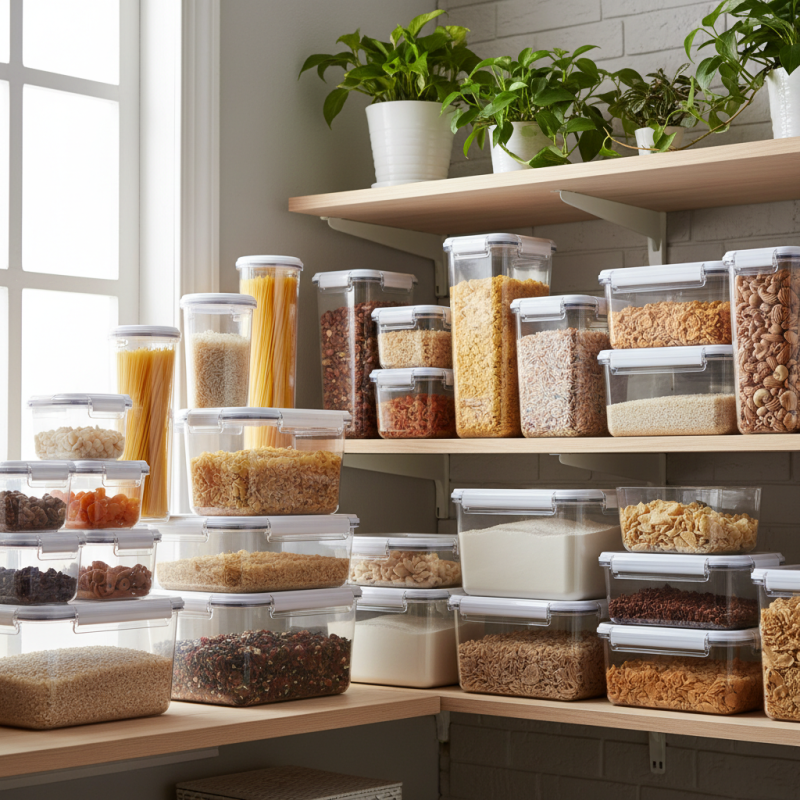
When it comes to storage solutions, clear plastic containers offer a versatile option. There are various types of containers available, each designed for specific needs. Stackable bins are ideal for maximizing vertical space. They allow you to see contents at a glance while keeping everything organized. They come in different sizes, making them perfect for both small and large items.
Another popular type is the tote or bin with lids. These containers provide a secure environment for your belongings, shielding them from dust and moisture. Many totes are designed with handles for easy transportation. Additionally, drawer organizers are perfect for keeping small items sorted. They fit discreetly in drawers and compartments, keeping clutter at bay.
It’s crucial to choose containers based on what you plan to store. Not all plastics are created equal. Some may not withstand extreme temperatures or heavy weights. Reflecting on your needs can guide you to the right choice. Consider durability, size, and visibility. While some containers may look appealing, their functionality is what truly matters.

When selecting clear plastic containers, a few key factors come into play. The size is crucial. You should choose containers that fit your storage space well. Measure the area where you'll store the containers. Make sure they can hold the items you want to organize. Oversized containers can waste space, while too small ones may leave you frustrated.
Consider the durability of the material. Thicker plastic tends to last longer and resists cracking. Look for containers that can endure various temperature conditions. This is especially important if you store items in different environments. Also, check if the containers are stackable. Stackable options can save space and make organization easier. It helps create a tidy appearance.
Don’t overlook the lid design. A secure lid ensures the contents stay protected from dust and moisture. Some lids may not close tightly, leading to spills or contamination. Reflect on your past experiences with containers. Have you faced issues with flimsy lids? These reflections can guide you towards making a better choice next time.
When choosing clear plastic containers, size and capacity are critical. Understanding your storage needs is essential. According to a report by Packaging Strategies, 70% of consumers prioritize efficient space usage when selecting storage solutions. This highlights the need for careful consideration of dimensions.
Evaluate the available space in your home or office. Measure shelves and cabinets where containers will be placed. This ensures a proper fit. Many consumers overlook this step, leading to clutter and inefficiency. A study from the Container Store found that 40% of users regret not measuring spaces before purchasing.
Capacity is another vital aspect. Think about what you plan to store. For bulk items, larger containers are necessary. However, small containers are ideal for organizing smaller items. This creates a more efficient storage system. A report by the National Association of Professional Organizers shows that nearly 30% of homeowners struggle with organization due to incorrect container sizes. Be mindful of what fits best.
When choosing clear plastic containers, durability and material quality are key factors. Sturdy containers can handle weight without cracking. Look for high-grade polyethylene or polypropylene. These materials resist impact and remain flexible, making them reliable for everyday use.
Transparency is another crucial feature. You want to see your stored items easily. Not all clear plastics are the same, though. Some might become cloudy over time. This not only affects visibility but can also impact the container’s durability. Inspecting reviews can help you gauge how well a container holds up over time.
It's essential to consider your specific needs. Do you store heavy items or dry goods? Ensure the container can withstand the expected weight. Some containers may warp under stress, undermining their utility. Engaging with user experiences can highlight these issues before you make a purchase.
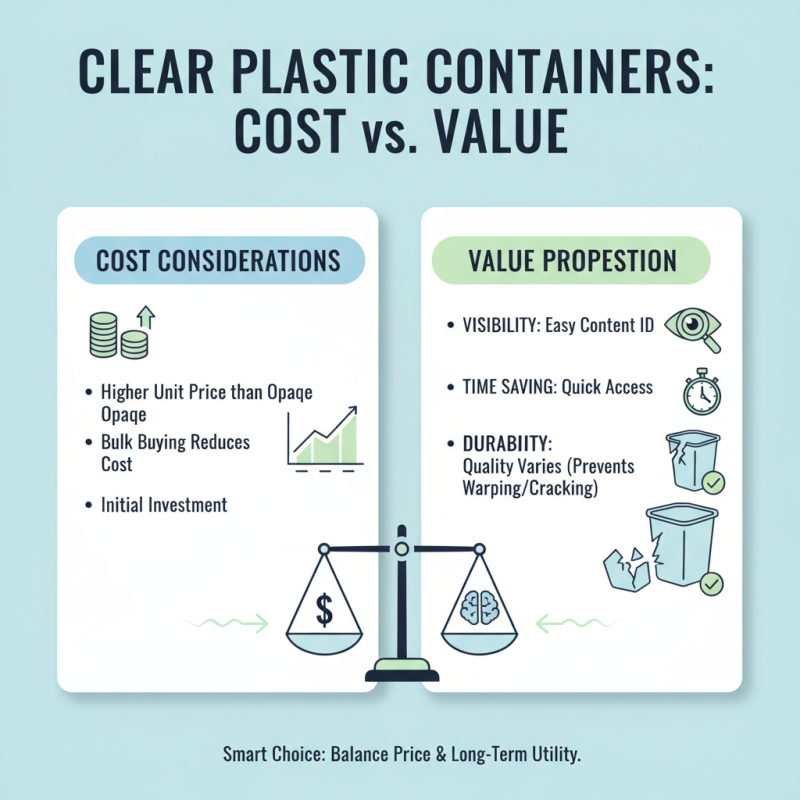
When selecting clear plastic containers for storage, considering cost and value is essential. Clear containers often cost more than opaque ones, but they offer visibility. This transparency allows for easy identification of contents, saving time and effort. However, price does not always correlate with quality. Some inexpensive containers may warp or crack over time, leading to frustration.
Evaluate the size and design of the containers to ensure they fit your space. Optimizing space can prevent the need for buying additional storage solutions. Look for durable materials that resist staining and odors. While shopping, be mindful of your budget. Sometimes paying a bit more leads to better longevity and satisfaction.
Keep in mind that not all products will meet your needs perfectly. There may be trade-offs in functionality or aesthetics. It’s wise to read reviews and seek recommendations. Your storage solution should not only be practical but also align with your specific requirements. Finding the right balance between cost and value takes time, experimentation, and a willingness to reflect on what works best for you.