Packaging Specialists
Packaging | Healthcare | Moulding

Why Choose Cardboard Trays for Your Packaging Needs?

Cardboard trays have emerged as a popular choice in the packaging industry. Their versatility and eco-friendliness make them ideal for various products. Mark Johnson, an expert in sustainable packaging, states, "Cardboard trays offer an innovative way to combine functionality with environmental responsibility." This highlights their importance in modern packaging solutions.

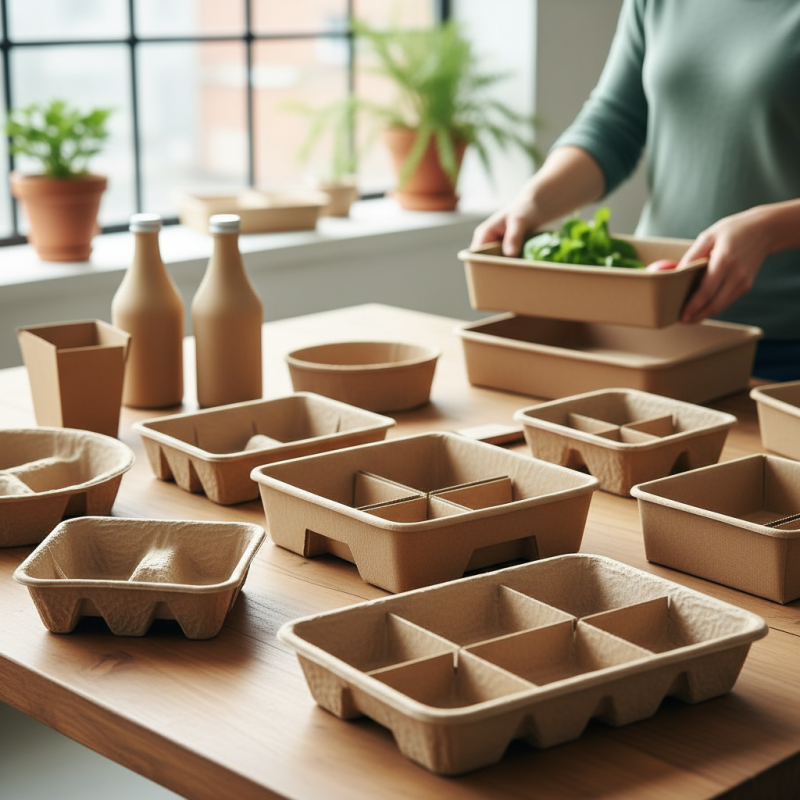
The demand for cardboard trays has surged. Companies seek efficient ways to protect their goods while minimizing waste. Many businesses are realizing that these trays can be customized to meet specific needs. They can be designed in various shapes and sizes, providing options for every product type. Yet, not all companies utilize their potential.

Cost-effectiveness is a driving factor for many. But, selecting the right materials and designs still requires careful consideration. Some might overlook how the quality of cardboard affects overall packaging. It’s crucial to reflect on whether to prioritize cost over quality. However, when done right, cardboard trays can enhance brand image and yield impressive results.
Why Choose Cardboard Trays for Your Packaging Needs?

Benefits of Cardboard Trays in Eco-Friendly Packaging Solutions

Cardboard trays are becoming a popular choice in packaging. They offer numerous benefits that align well with eco-friendly practices. One major advantage is their recyclability. After use, cardboard trays can easily be recycled, reducing waste in landfills. This helps companies meet sustainability goals.

In addition to being recyclable, cardboard trays are also lightweight. This feature can lower transportation costs. However, they might not always provide the strongest protection for fragile items. Businesses should consider the types of products they package. Using cardboard trays for heavy or delicate items might require additional support.

Furthermore, cardboard trays are versatile. They come in various shapes and sizes, making them suitable for different industries. However, the production of cardboard trays does consume natural resources. Companies must reflect on the overall environmental impact of their choices. Balancing cost, functionality, and eco-friendliness can be challenging.
Cost-Effectiveness of Cardboard Trays Compared to Other Materials

When considering packaging solutions, cardboard trays stand out for their cost-effectiveness. They are lighter than plastic and metal options, reducing shipping costs. This material can be produced in bulk, making it more affordable than alternatives. Many industries are switching to cardboard trays to enjoy significant savings.

Cost-effectiveness doesn't compromise quality. Cardboard trays can hold a variety of products securely. They are designed with precision, so they fit most items well. This prevents damage during transit. However, they might not be suitable for all products, especially those requiring moisture resistance. Evaluating your needs is essential.

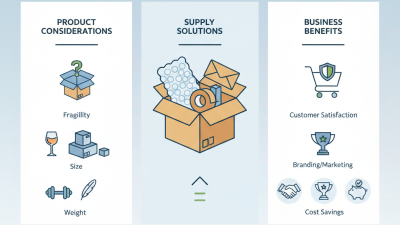
**Tips: Focus on your specific product. Consider the weight, size, and fragility. These factors will guide your packaging choice.** Selecting the right thickness is crucial for durability. Thinner trays can save money but may not provide sufficient support. Balancing cost and quality should be your goal.

Performance Metrics: Strength and Durability of Cardboard Trays

Why Choose Cardboard Trays for Your Packaging Needs?

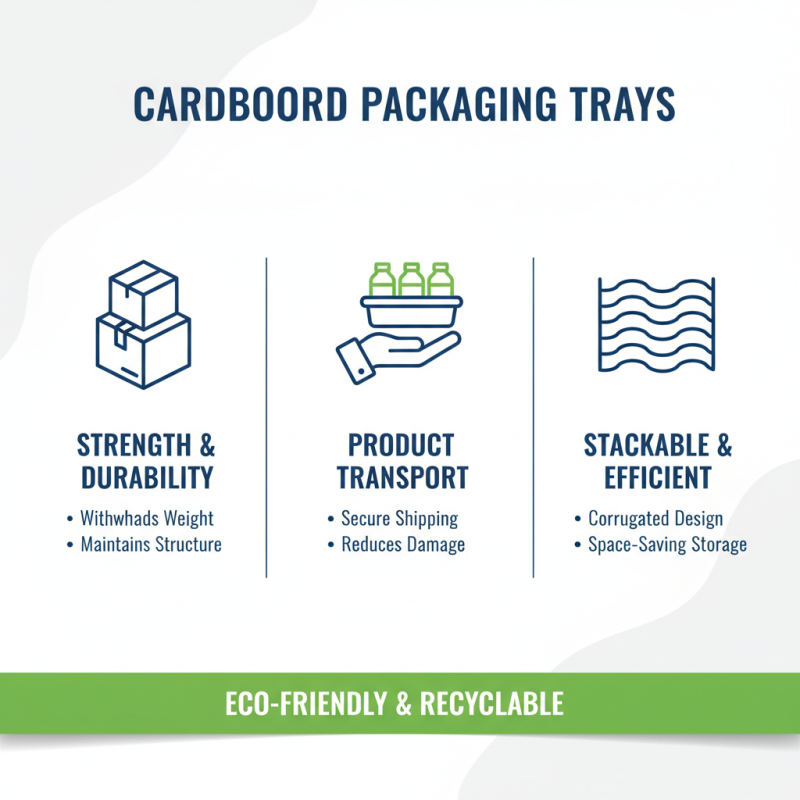
Cardboard trays have gained popularity for various packaging needs. Their strength and durability make them an excellent choice for transporting products. These trays can withstand considerable weight while maintaining their structural integrity. The corrugated design adds extra strength, making them ideal for stacking and storage.

When considering cardboard trays, think about their performance metrics. They resist tearing and can handle moisture better than traditional paper trays. This feature is crucial for products that may be exposed to humidity. However, one should be cautious of overloading them. Knowing the weight limit is essential to prevent structural failure.

**Tip:** Always test the trays with your products before mass ordering. This helps in identifying any weaknesses early. Monitor how they respond during transportation and storage. Adjust your packaging strategy if necessary. Small changes can make a big difference in performance. Consider the environment as well. Cardboard is recyclable, adding to its appeal, yet sourcing responsibly is vital.

Industry Trends: The Growing Demand for Sustainable Packaging Solutions

The trend towards sustainable packaging is on the rise. Consumers are increasingly aware of environmental issues. They are seeking eco-friendly options in their purchases. Cardboard trays are becoming a popular choice for packaging solutions. Made from renewable materials, they align with sustainable practices.

Many companies are exploring the benefits of cardboard trays. They are lightweight, which reduces transportation costs. Cardboard is also biodegradable, unlike plastic. This makes it an attractive option for brands aiming to reduce their ecological footprint. However, there are challenges to consider. Some businesses may wonder about the durability of cardboard trays compared to other materials.

Though they are effective for many products, there are limits. Cardboard trays may not suit every industry's needs. Their reliance on proper storage conditions is essential. Packaging remains a complex puzzle for businesses. Questions about the balance between cost, efficiency, and environmental impact persist. Choosing cardboard trays should involve careful reflection on these aspects.

Recycling and Disposal: The Environmental Impact of Cardboard Trays

Cardboard trays are gaining popularity for various packaging needs. One significant benefit is their environmental impact. Cardboard is derived from renewable resources. When disposed of properly, it can decompose in a landfill. This tray option reduces the burden on waste management systems. In contrast, plastic trays often contribute to long-term environmental pollution.

Recycling cardboard trays is relatively straightforward. Many communities offer recycling programs. Even in households, proper separation can make a difference. However, this process is not perfect. Contamination can lead to waste. Many people still struggle with sorting materials, leading to unnecessary landfill contributions. Awareness and education play a crucial role in improving recycling rates.

Using cardboard trays comes with challenges. They can be more susceptible to moisture and damage than plastic. This issue necessitates careful handling and storage. The reliance on recycled cardboard can also affect quality. Despite these drawbacks, the sustainability benefits are clear. Every small change can have a significant impact on our environment.