Choosing the right Automatic Baler Machine at the Canton Fair 2026 can significantly impact your business operations. This major event will showcase advanced manufacturing technologies and solutions from April 15 to May 5. With innovations on display, purchasing an Automatic Baler Machine requires careful consideration.
The fair features AI-driven search tools. These tools help buyers quickly identify suitable suppliers with necessary certifications, like ISO and CE. Efficient navigation through the extensive exhibition space of over 1.5 million square meters will enhance your experience. However, it’s crucial to ensure the machines meet your specific needs before making a decision.
As you explore options, take note of the various models and their capabilities. Visit booths, ask questions, and consider demonstrating machinery. Reflect on your company’s waste management goals and how an Automatic Baler Machine aligns with them. An informed choice may require patience and research.
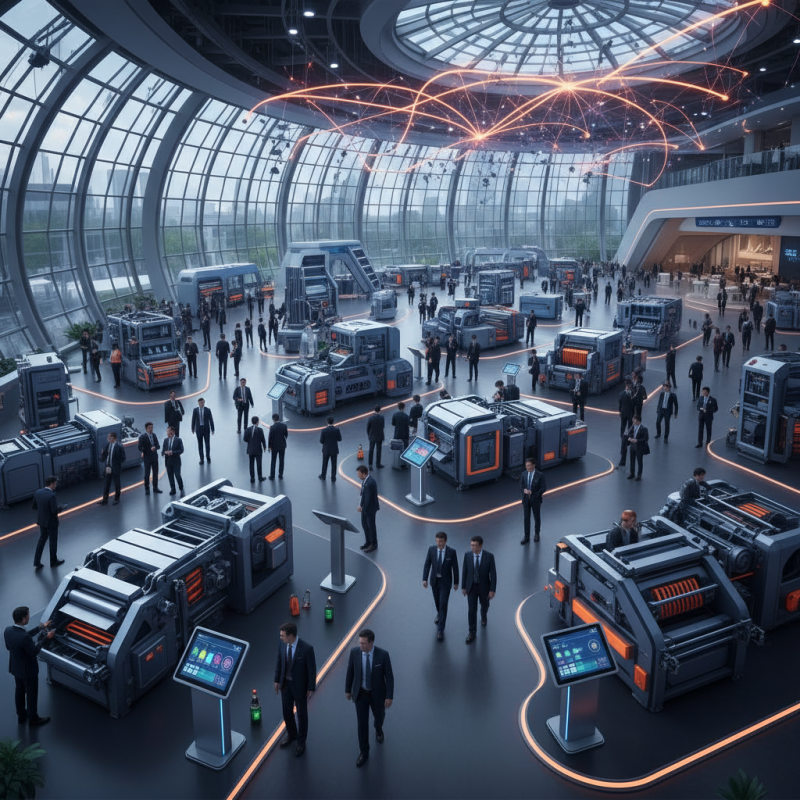
When choosing an automatic baler machine, understanding the various options is essential. There are three main types: horizontal, vertical, and two-ram balers. Each serves different purposes and industries. For example, a recent market study indicated that horizontal balers dominate the market with a 44% share, primarily due to their efficiency in large-scale operations.
Vertical balers are more compact and often used by smaller businesses. They are perfect for recycling cardboard or plastic. However, they have lower throughput than horizontal models. Two-ram balers are versatile and can handle various materials efficiently. Their design allows for high-density bales, making them crucial for operations where space and shipping costs are a concern.
Choosing the right baler requires reflection on specific needs. Features like size, output capacity, and the type of material processed are vital. While advanced models may promise higher efficiency, they also carry a higher cost. Some users report challenges in maintenance and repairs, leading to downtime. This highlights the importance of balancing efficiency with reliability when selecting a baler.
When selecting an automatic baler machine, key specifications play a crucial role. Size is one of them. Different operations require different bale sizes. Common sizes include 24 x 36 inches or even larger for industrial use. A mismatch can lead to inefficiency. Make sure you choose the right dimension for your needs.
Another important factor is throughput capacity. A high throughput can significantly impact productivity. According to industry reports, machines can handle between 5 to 20 tons per hour, depending on the model. Companies must assess their volume needs carefully. Underestimating capacity might lead to bottlenecks. Additionally, consider the machine's energy consumption. A report from the National Recycling Coalition suggests that energy-efficient models can save up to 30% on operational costs. Reflecting on these specifications helps ensure a wise investment. Ignoring them could result in unnecessary expenses and lower operational efficiency.
When evaluating the efficiency of automatic baler machines, it’s crucial to analyze their production capacity. Look at the output rate specified in bales per hour. This number can vary widely. A machine that claims high capacity may not deliver the same in real-world conditions. Factors like material type play a big role. Soft materials may allow for higher output, while tougher ones often slow the process.
Consider the operational features of each machine. Does it have quick cycle times? Are there automated features that enhance productivity? Inspecting these can provide insight into its overall efficiency. However, be cautious here. Some machines might incorporate extra features that are not truly beneficial, adding complexity without real gains. A balance between automation and ease of use might be the ideal choice.
Energy consumption is another important aspect to assess. Higher capacity machines often use more power. An efficient machine should not only work fast but also save energy. Always check how much energy is consumed during operation. This will have a long-term impact on operational costs. Additionally, look for maintenance requirements. Machines with high production might require frequent servicing, which can hinder efficiency. Reflect on these points during your evaluation at the fair.
| Model | Bale Size (L x W x H) | Production Capacity (bales/hour) | Power Consumption (kW) | Weight (kg) | Efficiency (%) |
|---|---|---|---|---|---|
| ABM-1000 | 1200 x 800 x 600 | 15 | 18 | 800 | 90 |
| ABM-2000 | 1500 x 1000 x 800 | 20 | 22 | 1200 | 92 |
| ABM-3000 | 1800 x 1200 x 900 | 25 | 28 | 1500 | 93 |
| ABM-4000 | 2000 x 1500 x 1200 | 30 | 35 | 2000 | 95 |
When considering an automatic baler machine at the Canton Fair 2026, the cost-effectiveness of your investment is crucial. Many companies overlook initial costs in favor of long-term savings. According to a recent industry report, an efficient baler can reduce waste management costs by up to 30%. This statistic highlights the importance of balancing upfront spending with future benefits.
Long-term savings can include reduced labor costs and lower transportation fees. By compressing materials, balers maximize space and improve handling efficiency. This translates to less frequent trips to disposal sites. However, the initial investment can be daunting. Some models may cost more than $100,000. Companies must carefully assess the return on investment over time.
It's essential to reflect on operational needs. Not every business requires a high-capacity baler. Smaller enterprises might benefit from lower-capacity models, which could be more affordable and still deliver savings. An ill-fitting choice could lead to unnecessary expenses. Prioritizing the right machine not only enhances efficiency but also supports sustainable practices, aligning with industry trends toward eco-friendliness. Balancing initial costs and long-term savings is an intricate decision.
Canton Fair 2026 will showcase a variety of automatic baler machines. Attendees can expect numerous brands and models, each with unique features. These machines play a vital role in waste management and recycling efficiency. Understanding their specifications is crucial.
Some leading brands will highlight energy-saving technologies. Look for models that reduce power consumption. Efficient balers can cut operating costs. Pay close attention to ease of use as well. User-friendly interfaces can significantly enhance productivity. Options with automated settings can save time and effort.
It’s important to compare various machines side by side. Bring a checklist of features that matter to you. Consider the size, capacity, and bale weight. Some models might promise more than they deliver. Researching past user experiences can reveal hidden flaws. Don't rush the decision-making process. Investing time now will lead to better choices later.