Packaging Specialists
Packaging | Healthcare | Moulding

Top China Multi Function Nursing Vehicle Customization Options?

In recent years, the demand for "China Multi Function Nursing Vehicle Customized" solutions has surged. According to a report by the China Medical Equipment Association, the market for nursing vehicles is expected to grow by 15% annually. This growth reflects a pressing need for optimized healthcare delivery in diverse settings. Industry expert Dr. Li Wei stated, "Customization in nursing vehicles enhances patient care and operational efficiency."

These vehicles are designed to offer a range of functions, including emergency response, patient transport, and mobile clinics. Flexibility is key in their design. However, customization can sometimes lead to complications, such as regulatory hurdles or unforeseen operational challenges. As providers seek to improve care, they must carefully balance innovation and compliance.

With various options available, healthcare providers should assess their specific needs. Yet, the customization process can be complex. It demands a thorough understanding of both medical protocols and equipment capabilities. There is much to consider to ensure the vehicles not only meet the needs of patients but also adhere to regulatory standards. The journey to optimal customization is filled with both opportunities and challenges.
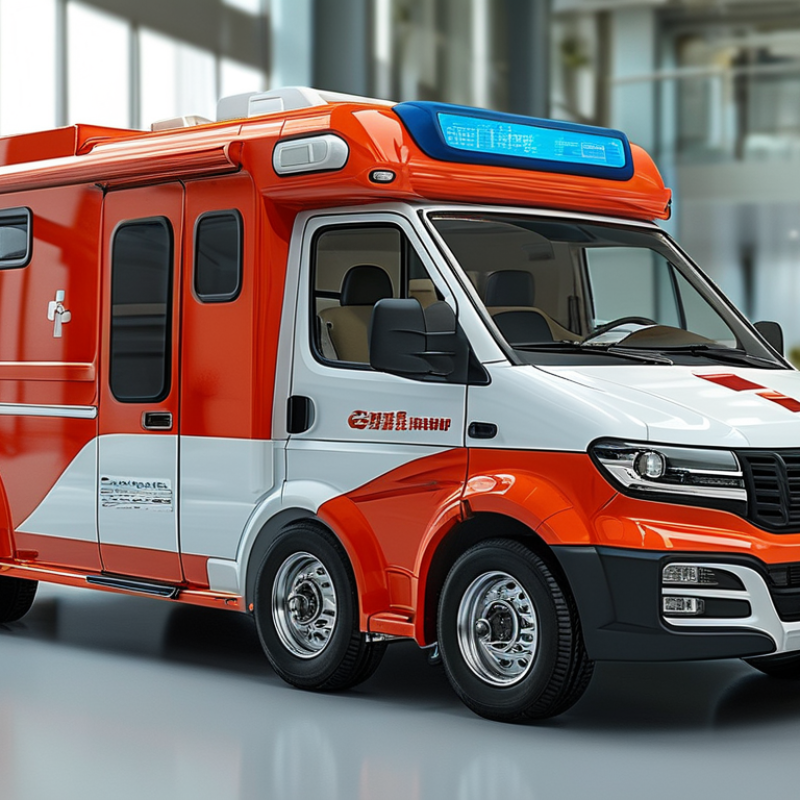
Top China Multi Function Nursing Vehicle Customization Options?

Overview of Multi-Function Nursing Vehicles in China

In recent years, multi-function nursing vehicles have gained traction in China. These vehicles support various healthcare services, such as patient transportation and emergency response. According to a report by the China Medical Equipment Association, the market for nursing vehicles is anticipated to grow at a CAGR of 12% over the next five years. This growth reflects the increasing demand for comprehensive healthcare solutions within urban and rural settings.

Customization options for these vehicles are essential. They can be tailored to include medical equipment storage, mobile examination units, and even telemedicine capabilities. Such features enhance their versatility. However, there is a challenge in balancing cost-effectiveness with advanced technology. Some providers struggle to retrofit existing vehicles to meet modern needs. Surveys indicate that 40% of healthcare facilities feel overwhelmed by customization choices, finding it hard to prioritize essential features.

Adopting new technologies is vital. Nevertheless, training personnel to operate these complex systems can create a bottleneck. Reports show that only 55% of staff feel adequately trained. This gap can hinder the optimal use of multi-function nursing vehicles. Addressing these concerns is critical to unlocking their full potential in healthcare delivery.

Overview of Multi-Function Nursing Vehicles in China

Key Customization Features for Nursing Vehicles

When considering nursing vehicles, customization is key. There are many features that can enhance functionality and comfort. According to a recent industry report by Healthcare Vehicle Insights, nearly 75% of healthcare facilities prefer customized vehicles to meet specific patient needs.

One crucial customization feature is the wheelchair accessibility. This ensures that all patients can enter and exit the vehicle with ease. A thoughtfully designed ramp or lift can make a significant difference in patient experience. Additionally, adjustable seating is vital for accommodating different levels of mobility.

Another aspect is the integration of medical equipment. Many facilities now seek vehicles equipped with essential medical tools. A compact yet efficient layout can allow for quick access to these instruments during transit. Reports suggest that 60% of nursing vehicles now include this feature to improve emergency response times.

Tip: Consider the layout carefully. Space optimization can enhance comfort and safety. It's essential to balance these factors with the vehicle's overall functionality. Customization can be a complex process; it’s important to reflect on what works best in practice. Be open to feedback from users. Their insights can guide future improvements.

Top China Multi Function Nursing Vehicle Customization Options

Customization Feature Description Benefits
Adjustable Bed A bed that can be adjusted to various positions for patient comfort. Enhanced comfort and ease of use for caregivers.
Medical Equipment Storage Dedicated compartments for storing medical supplies and equipment. Improved organization and quick access to necessary items.
Portable Oxygen Supply Integrated systems for supplying oxygen as needed. Convenience for patients requiring respiratory support.
Wheelchair Accessibility Design features to accommodate wheelchairs easily. Inclusivity for patients with mobility needs.
Climate Control Adjustable heating and cooling systems. Enhanced patient comfort in various weather conditions.

Materials and Design Options for Enhanced Durability

When customizing multi-function nursing vehicles, the choice of materials is crucial. High-quality metals, plastics, and textiles enhance durability. Selecting aluminum alloys can offer lightweight solutions without compromising strength. These materials resist corrosion and weather damage, which is vital for outdoor use. However, one must carefully consider the trade-offs between weight and strength in designs.

In fabric choices, weather-resistant upholstery helps maintain a clean appearance. Options like vinyl or high-performance polyester withstand heavy use and are easy to clean. It's essential to test various materials under different conditions. This testing phase can reveal unexpected weaknesses, such as seams that may fray over time. A well-designed nursing vehicle should also factor in user comfort alongside material selection.

Design features like reinforced edges and robust support structures are essential for longevity. However, over-embellishing can add unnecessary weight and complexity. Simplicity often enhances functionality. A thorough analysis can highlight areas for improvement in design. Balancing durability with practicality is key, yet it requires ongoing evaluation and adaptation.

Technological Innovations in Multi-Function Nursing Vehicles

Technological innovations in multi-function nursing vehicles have significantly improved patient care. Modern designs often include advanced telemedicine capabilities, allowing healthcare professionals to monitor patients remotely. Additionally, many vehicles are equipped with mobile diagnostic tools. Reports indicate that 75% of healthcare providers see improved patient outcomes with such technologies.

Moreover, the integration of smart sensors enhances the vehicle's functionality. These sensors can detect vital signs, ensuring immediate action when necessary. The vehicles also often feature adjustable interiors to cater to various patient needs. However, challenges remain. Not all regions have the infrastructure to support these innovations. This presents a barrier to accessibility and effectiveness.

Another area of innovation involves energy efficiency. Eco-friendly materials are being utilized in vehicle construction, aligning with sustainability goals in healthcare. Yet, the upfront costs can be prohibitive for some healthcare facilities. Balancing affordability with advanced features is crucial. Continued dialogue within the industry is essential to refine these technologies and address existing gaps.

Regulatory Considerations for Nursing Vehicle Customization in China

When considering the customization of multi-function nursing vehicles in China, regulatory aspects are crucial. The government has established strict guidelines to ensure safety and compliance. Each vehicle must adhere to national standards focusing on both patient comfort and operational efficiency.

Key regulations include vehicle design specifications, safety features, and equipment requirements. For instance, facilities must prioritize accessibility for disabled individuals. There are also stipulations regarding the materials used in interior spaces, which must be non-toxic and easy to clean. Customization often requires navigating through a complex bureaucracy. Some modifications may be permissible, but others could face pushback from regulatory bodies.

Customizing nursing vehicles involves not just innovation but also responsibility. Companies must consider the implications of their designs. Effective communication with regulators is essential. Feedback can lead to improvements, but it also poses challenges. Regulations can sometimes seem ambiguous, requiring ongoing adjustments and reevaluation. This ever-evolving landscape of compliance demands continuous learning and adaptation from manufacturers in the sector.