Packaging Specialists
Packaging | Healthcare | Moulding

How to Choose the Best Salt and Pepper Mills for Your Needs?

Choosing the right Salt And Pepper Mills can greatly enhance your culinary experience. Renowned chef Julia Child once said, “A recipe has no soul. You, as the cook, must bring soul to the recipe.” This sentiment underscores the importance of using quality tools, such as Salt and Pepper Mills, to elevate your dishes.

In an industry filled with options, selecting a mill that suits your style is crucial. There are various styles and materials to consider. A well-made Salt and Pepper Mill not only looks good on your table but also improves flavor. For instance, ceramic grinders tend to be longer-lasting than metal ones, while wood mills offer a warm aesthetic.

However, many people overlook details that affect functionality. The grind size can impact seasoning significantly. A mill that doesn’t adjust easily can lead to frustration. Therefore, reflecting on personal needs can be more beneficial than following trends. Investing time in researching and testing different mills will ultimately enhance your cooking experience.
How to Choose the Best Salt and Pepper Mills for Your Needs?

Factors to Consider When Choosing Salt and Pepper Mills

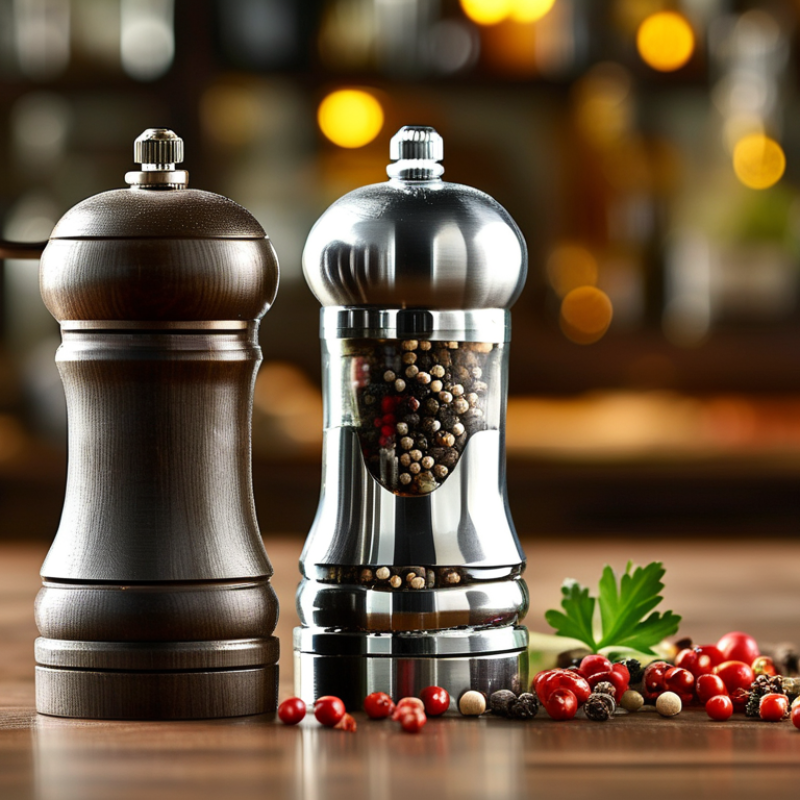
When choosing a salt and pepper mill, several factors come into play. The material of the mill affects both durability and aesthetics. Wood mills provide a rustic touch, while stainless steel offers a modern vibe. Different materials deliver different grinding outcomes. Some people prefer glass for visibility, but it may be less durable.

The grinding mechanism is crucial. Consider how coarse or fine you want the grind. A mill with adjustable settings allows for versatility. Some grinders claim to handle both salt and pepper, but not all perform equally well. It is wise to check the manufacturer's details on the ideal use for each product.

Size matters, too. A larger mill means less frequent refills, but it may take up more space. A smaller mill may be more manageable, especially in a cozy kitchen. However, be cautious—smaller sizes can be limiting. Ultimately, the best choice is a balance of aesthetics, functionality, and personal preference. Always ensure that your selected mill feels right in your hand and fits your cooking style.

How to Choose the Best Salt and Pepper Mills for Your Needs? - Factors to Consider When Choosing Salt and Pepper Mills

Factor Description Importance
Material The type of material used affects durability and flavor transfer. High
Size Available in various sizes; choose based on usage and storage space. Medium
Grind Settings Adjustable settings for coarse or fine grinding enhance versatility. High
Ease of Use User-friendly designs ensure smooth operation. Medium
Aesthetic Visual appeal can enhance kitchen decor and dining experience. Low
Price A wide price range exists; consider budget versus features. High
Brand Reputation Researching reliable brands can lead to better quality products. Medium

Types of Materials Used in Salt and Pepper Mills

When selecting a salt and pepper mill, the choice of materials can significantly affect your experience. Common materials include wood, stainless steel, and acrylic. Wooden mills offer a classic aesthetic and durability. They can withstand the elements and add warmth to any table. However, they may require more maintenance. Humidity can warp wood, so it’s essential to keep them dry.

Stainless steel mills are sleek and modern. They resist rust and corrosion, making them a practical choice for long-term use. They are also easy to clean. However, some might find them too cold in appearance. Acrylic mills are lightweight and allow you to see the contents inside. They are usually more affordable but can scratch easily. It’s vital to consider your usage and the look you want for your kitchen.

Customarily, not all materials grind spices effectively. For example, ceramic mechanisms offer durability yet might chip if not handled carefully. Some prefer glass containers for elegance, yet these can break. Balancing aesthetics with functionality is essential when selecting your mill. Reflecting on your needs and kitchen style can lead you to a better decision.

Grind Mechanisms: Understanding Different Options

When selecting salt and pepper mills, the grind mechanism is crucial. The type of grinding mechanism can greatly affect how spices are processed. Most grinders feature either a ceramic or a stainless steel mechanism. Ceramic mechanisms tend to be more versatile, handling both salt and pepper with ease. They are also resistant to corrosion and tend to last longer.

Conversely, stainless steel mechanisms are favored for their strength and precision. Reports indicate that stainless steel grinders can produce a more consistent grind. Some studies suggest that up to 70% of professional chefs prefer stainless steel for pepper grinding due to its durability and effectiveness. However, this doesn't mean ceramic is inferior. Some users find that ceramic mills create slightly better flavors, enhancing the overall dish.

It's essential to consider user experience as well. Many consumers report dissatisfaction with poorly designed mechanisms that clog or jam easily. This may lead to frustration during meal preparation. Taking the time to read reviews and understand the different mechanisms can be beneficial. Each type has its strengths and weaknesses. Understanding your own cooking style will help tailor a choice to your needs.

Size and Capacity: Finding the Right Fit for Your Needs

When selecting salt and pepper mills, size and capacity are critical factors. A mill that is too small may require frequent refills. Ideally, choose a mill that holds at least 1.5 ounces of spice. According to industry studies, this capacity allows for around 50 uses before needing a refill. Many users find that larger mills are prohibitive for daily use, leading to frustration.

The height of your mill matters as well. Taller mills often have a greater capacity, but they can be cumbersome. A 6 to 8-inch mill is generally easier to handle and store. Research indicates that this size effectively combines usability and capacity for most kitchen tasks. However, a commonly overlooked detail is the weight; a heavier mill provides stability during use, enhancing grinding efficiency.

Remember to consider how the mill fits your kitchen decor and personal style. The design should complement your space while being functional. Many consumers report that aesthetics sometimes overshadow practical needs. Reflecting on this balance can guide your choice effectively, ensuring the mill serves both its purpose and your preferences seamlessly.

Design and Aesthetics: Matching Your Kitchen Style

When selecting salt and pepper mills, design and aesthetics play a significant role. Your kitchen should reflect your personal style, whether it's modern, rustic, or minimalist. A sleek stainless-steel mill can offer a contemporary touch, while a wooden grinder might evoke a charming, rustic feel. The choice should harmonize with your kitchen's color palette and overall decor.

Consider the mill's shape and size as well. A tall, slender design can save space while making a bold statement. Alternatively, shorter, round models may fit snugly on your countertop. Placement matters. Will they sit next to your stove or on a dedicated spice rack? Visual balance is essential. You want your mills to be functional yet pleasing to the eye.

Texture also adds to the aesthetic value. Smooth finishes catch the light beautifully, while matte surfaces provide a classic touch. The tactile experience of using these mills should match their visual appeal. Every time you reach for them, they should enhance your cooking experience. Remember, it's about more than just practicality; it’s about crafting an enjoyable atmosphere in your kitchen where design meets functionality.