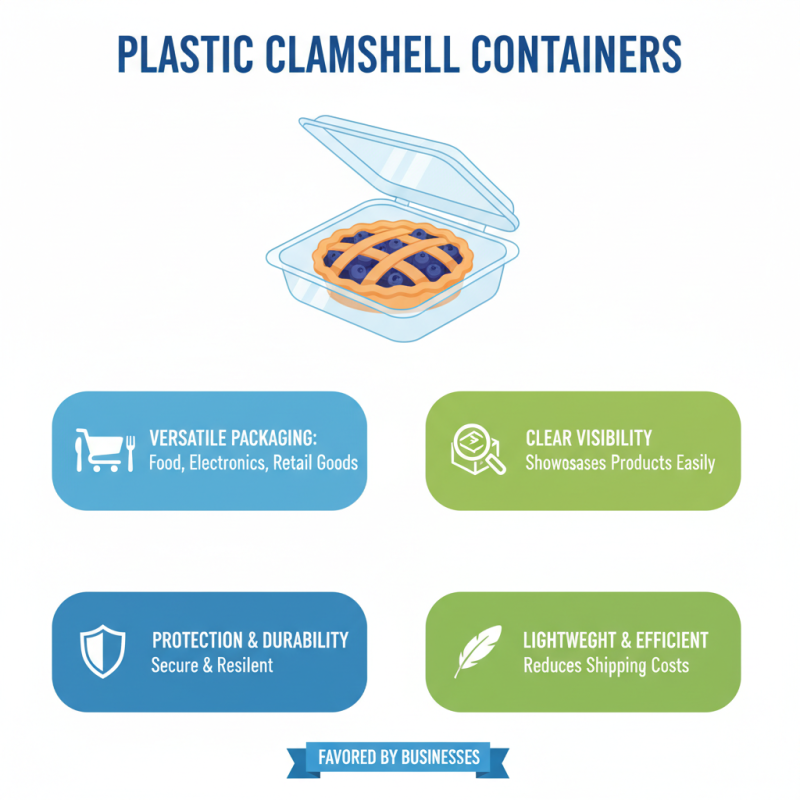
In 2026, the demand for plastic clamshell containers remains strong. These containers offer convenience and versatility in packaging. They are popular for food items, electronics, and small household goods. Their clear visibility makes products appealing on shelves.
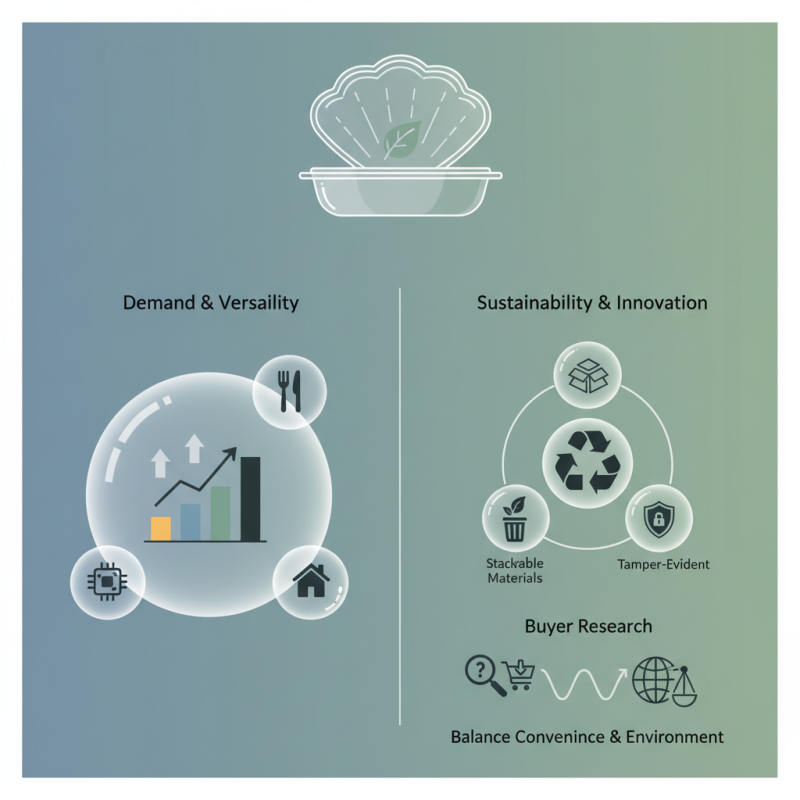
Consumers are increasingly concerned about sustainability. Many plastic clamshell containers are now made from recyclable materials. However, not all options are eco-friendly. Buyers must research before making decisions. It’s important to balance convenience with environmental impact.
The market is evolving, introducing innovative designs and materials. Some clamshells are stackable, saving space during transport. Others feature tamper-evident designs for safety. As trends shift, manufacturers will need to adapt to meet consumer preferences. Keeping an eye on these developments is essential for informed choices.
Plastic clamshell containers offer a versatile solution for packaging in various industries. These containers come in different sizes and shapes, catering to numerous products from food to electronics. Their design allows for easy viewing of contents while providing ample protection. Many businesses favor these containers for their lightweight nature and durability.
However, using plastic clamshell containers has its challenges. They are often associated with environmental concerns. Many are not recyclable, leading to increased plastic pollution. It's crucial for users to understand the impact of their choices. Research shows that consumers are becoming more aware of sustainability. This shift means companies must consider eco-friendly alternatives or materials.
Additionally, the clarity of clamshell packaging can be a double-edged sword. While it showcases products well, it can also make flaws more apparent. A scratch or dent might catch a buyer's attention negatively. Therefore, businesses must ensure high-quality packaging. Evaluating packaging performance and consumer feedback can lead to improvements. Reflecting on the balance between presentation and sustainability is key in this evolving market.
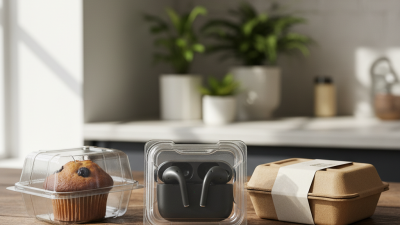
When selecting clamshell containers, it's vital to consider material quality. High-density polyethylene (HDPE) is a common choice due to its durability. It protects contents from damage and environmental factors. However, some lightweight options may not provide enough security. Consider the trade-off between weight and protection carefully.
Size and design are also crucial. Clamshell containers come in various shapes and sizes. It’s essential to choose one that fits your needs precisely. A container that is too small may crush delicate items. Conversely, an oversized container can lead to shifting and potential damage. Pay attention to the clarity of the material as well; transparency allows for quick identification of contents.
Ventilation is another aspect often overlooked. Some products require airflow to prevent spoilage. Tiny holes or perforations can make a significant difference. While many containers excel in one area, they might fall short in another. Balancing these features can be challenging. Reflecting on specific needs will lead to better choices.
The goal is to find clamshell containers that align with expectations and usage scenarios.
Plastic clamshell containers are widely used in the food industry. Their convenience often masks significant environmental concerns. A recent report from the Environmental Protection Agency highlights that the U.S. alone generated over 35 million tons of plastic waste in 2020. Only around 8.7% was recycled. This figure raises questions about the sustainability of using plastic clamshells.
Many consumers are unaware of the long-lasting impacts of plastic pollution. It can take hundreds of years for these containers to decompose. Microplastics have been found in our oceans, affecting marine life. According to a study published in Science Advances, millions of marine animals are impacted each year due to plastic waste. This situation calls for more sustainable alternatives and recycling methods.
Shifting towards biodegradable options could mitigate these issues. However, biodegradable plastics may not break down effectively in ocean environments. There are ongoing debates surrounding the clarity of labeling and the effectiveness of these materials. More research is needed to track their environmental benefits accurately. The industry must adapt to ensure that convenience does not come at the cost of our planet's health.
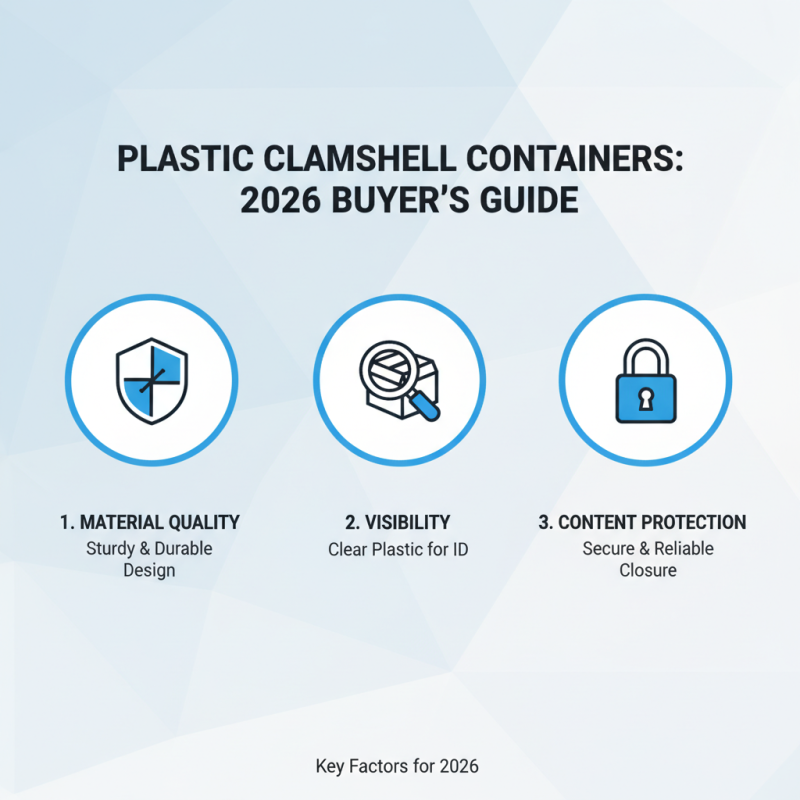
When looking for the best plastic clamshell containers in 2026, several factors matter. Consider material quality. A sturdy design is essential for protecting contents. Many containers feature a clear plastic, allowing visibility. This aspect is crucial for easy identification of items.
Top brands in the market introduce innovative features. Some may have eco-friendly options, which appeal to conscious consumers. Others offer various sizes to suit different needs, from small snacks to larger dishes. Popular designs often include hinged lids, ensuring easy access while maintaining freshness. However, not all products meet these standards, leading to disappointment during usage.
Affordability is another key aspect. Some containers may be overpriced for their performance. It’s essential to assess value versus quality. Look for user reviews to guide decisions. Not every touted product delivers as promised. Balance is vital in choosing the right clamshell containers to meet specific requirements.
Plastic clamshell containers are evolving. The trend points towards sustainability and enhanced functionality. According to a recent market report, the demand for eco-friendly packaging solutions is expected to grow by 15% in the next five years. Consumers prefer products with minimal environmental impact. Thus, manufacturers are investing in biodegradable materials and innovative designs.
In 2026, we might see smarter clamshells. Integrating technology could offer users more. For example, smart labeling can track freshness. Juggling convenience with sustainability is crucial. But not every design will hit the mark. Some prototypes may falter in performance or recycling. It's essential to test and refine these new approaches.
Tip: Choose containers with recycling symbols. This helps ensure that the clamshell you select is environmentally friendly. Remember, the ideal design balances usability with eco-conscious choices. Expect more brands to focus on transparency in their packaging materials. Keep an eye out for trends that address both aesthetics and functionality.
This bar chart illustrates the projected increase in the usage of plastic clamshell containers from 2021 to 2026, highlighting a significant upward trend as consumer demand and environmental considerations evolve.