The 139th Canton Fair is a pivotal event for industries, especially in Injection Molding. With an emphasis on advanced manufacturing and new materials, the fair showcases cutting-edge technologies. Injection molding, a key process in manufacturing, is evolving rapidly. Recent advancements highlight its efficiency and precision. However, challenges remain in adapting to new trends.
At this fair, visitors will experience intelligent search features powered by AI. This technology streamlines the process of finding suppliers with essential certifications like ISO and CE. Yet, the reliance on technology could lead to missed opportunities. Manufacturers need to balance technology with personal connections.
The injection molding sector faces both promise and hurdles. As businesses seek innovative solutions, the integration of smart systems can enhance production. Yet, acknowledging the areas that need improvement is crucial. The 139th Canton Fair serves as a stage where ideas clash and evolve, driving the future of injection molding.
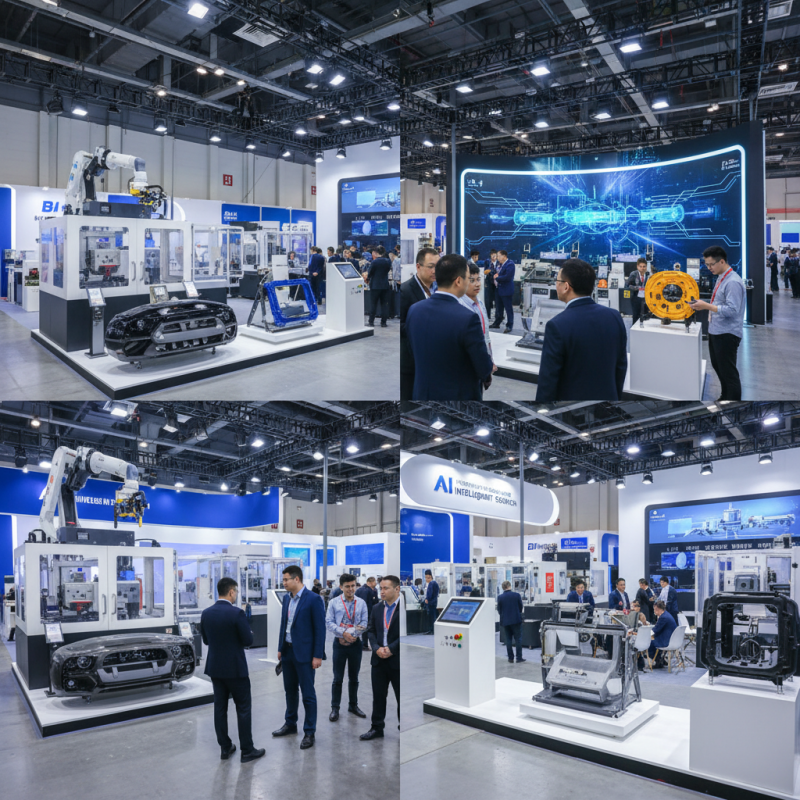
The 139th Canton Fair showcased a variety of trends in injection molding. Key innovations included new materials that enhance durability. There was a noticeable focus on sustainable practices among manufacturers. Biodegradable options caught the gaze of many attendees.
Moreover, technology integration stood out. Automation in processes promised efficiency gains. However, not all were convinced about the reliability of these new systems. Many questioned the learning curve for workers. Some machines displayed impressive speed, yet their long-term performance remains a topic of debate.
It's important to reflect on these advancements. While the trends seem promising, issues like quality control persist. The balance between innovation and practicality is still a work in progress. Attendees left with mixed feelings, eager yet cautious about what's next in the injection molding industry.
The 139th Canton Fair showcased a variety of exciting innovations in injection molding. Emerging technologies captured attention with their promise to enhance efficiency and precision. Exhibitors displayed advanced machinery equipped with smarter controls and enhanced automation features. These advancements aim to reduce waste and improve production speed, addressing common challenges faced by manufacturers.
Sustainability was a significant theme throughout the fair. Some exhibitors presented biodegradable materials, which are becoming increasingly popular. However, questions linger about the scalability of these solutions in mass production. The balancing act between sustainability and cost efficiency remains a dilemma for many businesses.
Another notable trend was the integration of data analytics into the injection molding process. Real-time monitoring systems can predict issues before they arise. Yet, the implementation of such systems requires substantial investment. Not all companies are ready for this shift. The industry's evolution calls for a deeper understanding of these challenges moving forward.
During the 139th Canton Fair, the spotlight shone brightly on sustainable materials and eco-friendly practices in injection molding. Exhibitors showcased biodegradable plastics made from natural resources. These materials reduce environmental impact and offer a viable alternative to traditional plastics. However, the industry still faces challenges in scaling production and reducing costs. Many attendees noted the limited availability of these materials in larger quantities.
The move towards sustainability isn't just about materials. Eco-friendly practices also include energy-efficient machinery and minimization of waste. Some manufacturers are investing in advanced technologies that recycle excess plastic. Yet, the effectiveness of these systems varies. Not all solutions fit every production line. Companies must evaluate their operations carefully. Striking the right balance between sustainability and efficiency requires ongoing adaptation.
While the trend toward green practices is encouraging, it isn't without flaws. Some new materials still need thorough testing for performance and durability. Will consumers accept these alternatives? The future of injection molding hinges on addressing these uncertainties. Only through collaboration and innovation can the industry overcome these hurdles.
The 139th Canton Fair showcased significant advancements in automation and robotics within the injection molding sector. These technologies are reshaping production lines, enhancing efficiency, and reducing labor costs. A recent industry report highlighted that nearly 50% of manufacturers are integrating robotic systems into their processes. This trend indicates a shift towards smart factories.
Robotics in injection molding allows for precise handling of materials. Automated systems reduce human error, ensuring consistent quality. For instance, automated loaders can efficiently transport resin, minimizing delays. However, the reliance on automation raises concerns. Not all factories can afford these innovations, leading to a technology gap.
Moreover, data from the International Federation of Robotics showed a 30% increase in robotic installations in manufacturing. Despite this, many companies struggle with system integration. The complexity can result in longer setup times and operational challenges. Balancing automation benefits with these hurdles is crucial for future developments. The evolution of technology must consider both efficiency and accessibility for all manufacturers.
The injection molding industry is witnessing significant shifts in market demand. According to a recent market research report, the global injection molding market is expected to reach USD 300 billion by 2026, with a compound annual growth rate (CAGR) of 5.2%. This growth is driven by rising automation and demand for lightweight materials in automotive and consumer goods. Companies are increasingly turning to innovative materials, seeking to improve efficiency and sustainability.
At the 139th Canton Fair, emerging technologies in injection molding did attract attention but raised questions about adequacy. There seems to be a gap between demand for sustainable solutions and available technologies. For instance, bio-based plastics are gaining traction, but production capacity remains limited. Many manufacturers struggle to adapt to these new materials. The shift from traditional methods to advanced techniques is crucial, yet many players may not be ready for this transition.
Projections indicate that over 40% of manufacturers will need to innovate within the next few years to remain competitive. The integration of AI and machine learning in injection molding processes is promising, yet implementation challenges exist. The pace of technological advancement is rapid, leaving some manufacturers playing catch-up. Addressing these issues is essential for realizing future potential in the injection molding landscape.
The 139th Canton Fair showcased several key trends in Injection Molding, reflecting the industry's shift towards innovation and sustainability. Innovations in Injection Molding highlighted eco-friendly materials and practices aimed at minimizing environmental impact. Additionally, advancements in automation and robotics were pivotal in enhancing the efficiency of Injection Molding processes, representing a significant move towards Industry 4.0 standards.
Market demand for Injection Molding technologies continues to grow, with expectations of further expansion driven by these advancements. The fair also provided valuable networking opportunities, bringing together key industry players and fostering collaboration among professionals in the field. As the Injection Molding landscape evolves, these emerging trends indicate a promising future for the industry, emphasizing the importance of sustainable practices and technological integration.