Packaging Specialists
Packaging | Healthcare | Moulding

How to Source the Best China Moka Grind Coffee for Your Business?

Finding the right coffee can be a challenge. For businesses, quality is non-negotiable. The keyword here is "China Moka Grind." This coffee type offers distinct characteristics, making it a popular choice in the market. However, sourcing can be tricky.

Understanding the supply chain is essential. Reliable suppliers are crucial. It's not just about finding the lowest price. You need to ensure that the coffee meets quality standards. Look for suppliers with proven expertise. Their background can give you confidence in your sourcing decisions.

Consider your specific needs when choosing a supplier. Taste, aroma, and grind size all matter. These details can set your business apart. Often, businesses overlook the importance of these factors. Reflect on your requirements to make the best choice. In the end, the journey to source the best China Moka Grind coffee is not just about high quality. It's about building trust and lasting relationships with suppliers.
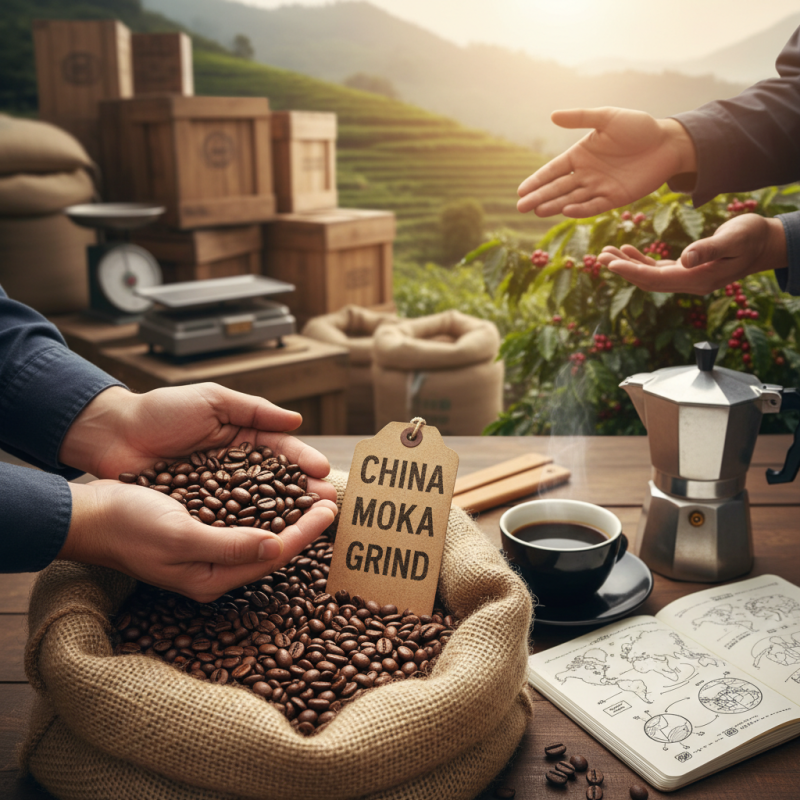
How to Source the Best China Moka Grind Coffee for Your Business?

Understanding Moka Grind Coffee and Its Unique Characteristics

Moka grind coffee is distinct for its fine texture and rich flavor. This grind is optimal for brewing methods that use pressure, like Moka pots. These pots create a unique brewing environment. Water flows through coffee grounds efficiently, producing a robust taste that stands out.

Understanding the characteristics of Moka grind coffee is crucial for quality sourcing. The grind size must be consistent. If it's too coarse, the coffee may taste weak. If too fine, extraction can be bitter. Carefully monitoring these factors is essential to ensure a pleasant coffee experience.

In your journey to source quality Moka grind coffee, consider aroma and freshness. Sourcing from reputable suppliers enhances reliability. Not every batch will meet expectations, so experimentation is key. Taste testing different origins will reveal unique flavor profiles, as well as potential areas for improvement.

Market Analysis of Moka Grind Coffee - 2023

Identifying Reliable Suppliers for Moka Grind Coffee in China

When sourcing Moka grind coffee from China, identifying reliable suppliers is crucial. Start by researching online platforms that specialize in coffee products. Look for suppliers with positive reviews and a strong track record. Verify their business licenses and certifications to ensure they meet quality standards.


Communication is key. Engage with potential suppliers to discuss your needs. Ask specific questions about their sourcing methods and quality control processes. A reliable supplier should be transparent and willing to provide samples. This allows you to test the coffee before making larger orders.


Consider visiting trade shows or coffee expos in China. These events provide an opportunity to connect directly with manufacturers. Face-to-face meetings can build trust. Observe their booth setup; it often reflects their professionalism. Remember, not every supplier may meet your expectations. Reflection on past experiences can help refine your selection process. Always prioritize quality to ensure customer satisfaction.

Evaluating Quality and Flavor Profiles of Moka Grind Coffee

When sourcing Moka grind coffee, quality is crucial. The flavor profile can vary significantly based on the origin and processing methods. Look for beans that are freshly roasted and ethically sourced. Freshness affects flavor. Beans should ideally be ground just before brewing. Assess the aroma—it often reflects the taste.

Consider flavor notes. Some Moka coffees offer chocolate or nutty undertones. Others may surprise you with fruity or floral hints. Tasting samples from different suppliers helps in understanding these nuances. Pay attention to acidity levels. High acidity can enhance brightness, while low acidity offers a smoother experience.

Reflect on supply chain reliability. A reputable supplier should provide traceable sourcing and consistent quality. Uncertainty in the supply chain can lead to flavor inconsistencies. Regular feedback from customers can guide you in refining your selection. Stay open to adjustments, as palates evolve. Quality coffee sourcing is an ongoing journey.

How to Source the Best China Moka Grind Coffee for Your Business? - Evaluating Quality and Flavor Profiles of Moka Grind Coffee

Coffee Origin Flavor Notes Acidity Level Body Best Brewing Method
Yunnan Chocolate, Nutty Medium Full French Press
Sichuan Fruity, Floral High Medium Pour Over
Hunan Earthy, Spicy Low Full Espresso
Zhejiang Sweet, Smooth Medium Medium Drip Brew
Guizhou Caramel, Bready Low Rich Aeropress

Negotiating Prices and Terms with Chinese Coffee Suppliers

When negotiating prices with Chinese coffee suppliers, clarity is key. Establish what your budget is early on. This helps build honest discussions. Many suppliers may not list their best prices upfront. Be ready to ask for discounts, especially for bulk orders. Often, they expect some back-and-forth.

Tips: Request samples before finalizing deals. This gives insight into quality. Consider the total costs beyond the price tag. Shipping fees can add up. Negotiate these costs as part of your deal.

Building rapport with suppliers can foster better terms. Take the time to learn about their business processes. This knowledge can give you leverage. If you encounter misunderstandings, don't hesitate to address them. Open dialogue is crucial. It’s a learning process for both sides. Every deal can teach you something valuable.

Establishing Quality Control and Testing Procedures for Your Business

Establishing robust quality control and testing procedures is essential for sourcing Moka grind coffee from China. It begins with setting clear standards for quality. These standards will serve as a benchmark for evaluating potential suppliers. Regular audits can help in assessing the consistency of product quality and adherence to your specifications. Documenting each step can ensure accountability and traceability throughout the procurement process.

Testing procedures should encompass a range of evaluations. Sensory analysis is crucial; involve tasting experts to assess flavor and aroma. Additionally, physical tests for grind consistency and moisture content can prevent defects. It’s important to note that even established suppliers can falter. Relying solely on past performance may lead to complacency. Establishing a feedback loop with suppliers encourages continuous improvement.

Regularly reviewing your quality control processes is necessary. Market trends can shift, affecting customer preferences and expectations. Suppliers may change their production methods. Adapting your testing procedures accordingly helps maintain product excellence. Incorporating both quantitative and qualitative metrics can strengthen your quality assurance. Consider real-time adjustments based on feedback to maintain high standards in your coffee sourcing.