In today's competitive business world, companies constantly seek innovative solutions to enhance their operations. UVLED Flatbed Printing stands out as a powerful tool to achieve this. This technology enables high-quality printing on various materials, making it versatile for many industries. It can print on wood, glass, metal, and even fabric, bringing designs to life effectively.
Embracing UVLED Flatbed Printing has its challenges. Some businesses may struggle with the initial investment. They might also face a learning curve in mastering the technology. However, the long-term benefits outweigh these concerns. This printing method offers speed and efficiency, crucial for meeting tight deadlines. Additionally, prints are UV-resistant, ensuring they maintain their vibrancy over time.
Understanding the specific advantages of UVLED Flatbed Printing can help businesses make informed decisions. By evaluating these benefits, companies can unlock their full potential. The right technology can indeed transform operations, improving customer satisfaction and overall productivity.
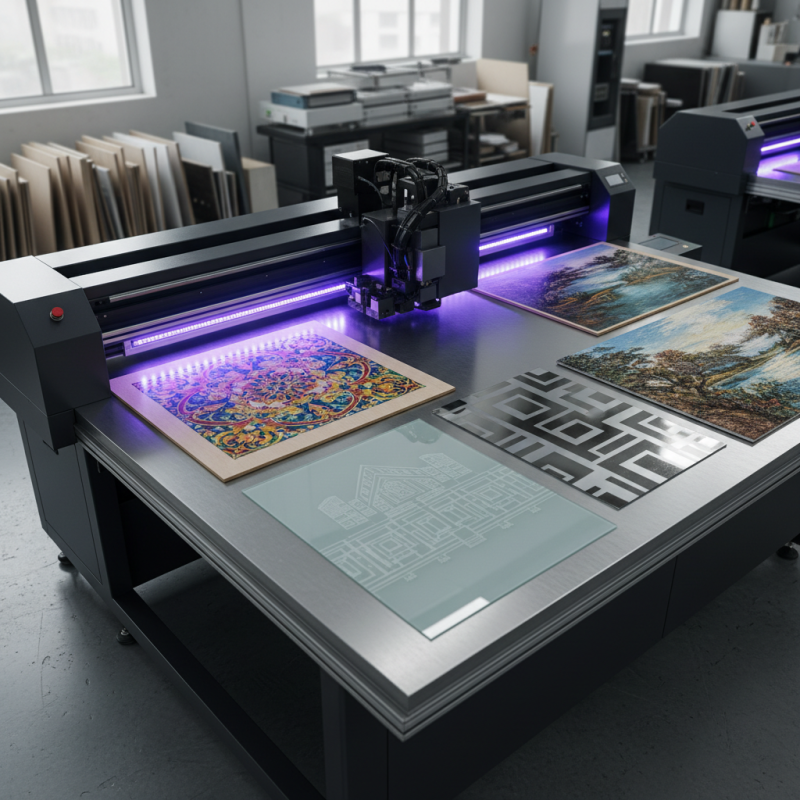
UVLED flatbed printing offers notable advantages, especially in production times and efficiency. Many businesses report a significant reduction in turnaround times. Studies suggest that UVLED printing can be up to 50% faster than traditional printing methods. This speed can be critical in meeting tight deadlines, especially during peak seasons.
The efficiency of UVLED printers also contributes to higher productivity. These printers allow for instant curing, meaning printed items can be handled immediately. This eliminates drying time, leading to quicker processing and shipping. However, reliance on this technology can be a double-edged sword. Businesses may find themselves investing heavily in equipment.
Moreover, maintenance requirements can sometimes disrupt workflow. Keeping UVLED printers in peak condition demands diligence. While the technology promises speed, unexpected downtimes can occur. Companies must weigh these potential drawbacks against the benefits of increased output. Balancing efficiency and reliability is crucial for sustainable growth in the competitive printing market.
UVLED printing technology excels in color accuracy and consistency. This capability is essential for businesses aiming for high-quality outputs. The precision of color reproduction means your designs will closely match your vision. Deep blacks, vibrant blues, and subtle shades come alive with remarkable clarity.
Moreover, UVLED inks cure instantly, preventing color shifting during the drying process. This speed leads to less waste and quicker turnaround times. However, some users may struggle to adapt to the technology. The initial learning curve can present challenges, but the effort is often worthwhile. Once mastered, the results can significantly enhance brand reputation.
Consistency is another advantage. With UVLED printing, clients receive the same impressive quality every time. This reliability builds trust and loyalty. But, achieving perfect consistency requires regular calibration. If neglected, even small variations can emerge over time. It’s a reminder to stay vigilant in quality control practices.
UVLED printing technology stands out as a game-changer in the printing industry. It offers significant eco-friendly advantages over traditional printing methods. A report by Smithers Pira shows that UVLED systems generate up to 75% less waste compared to conventional printers. This reduction comes from the unique ability of UV ink to cure instantly. No need for a drying period means less energy consumption and fewer emissions.
Another key aspect is the elimination of volatile organic compounds (VOCs) in UVLED printing. Many traditional inks release harmful VOCs, which can pollute the environment and pose health risks. Data from the EPA indicates that VOCs contribute to poor air quality, which affects both workers and consumers. With UVLED technology, businesses can produce high-quality prints while maintaining a cleaner environment.
Despite these benefits, many companies still overlook UVLED printing due to misconceptions. Some believe the upfront costs are too high. However, studies show that long-term savings from reduced material waste and energy efficiency often offset initial investments. Adopting this technology can feel daunting, but the environmental and economic impacts are compelling. Resisting change might feel safer, but this shift is necessary for sustainability.
UV LED flatbed printing offers impressive cost savings for businesses. This technology uses less energy compared to traditional methods. As a result, operational costs decrease. It also reduces the need for solvents and materials that contribute to waste. Companies can benefit from a lower impact on the environment and their bottom line.
Another financial aspect is the speed of production. UV LED printers operate quickly, increasing turnaround times. Faster jobs mean more projects can be completed in a shorter timeframe. However, there can be a steep learning curve for some operators. Training is essential to maximize efficiency. Companies might face initial challenges as they adapt to the new processes, but the potential savings are significant.
Maintenance costs are also often lower with UV LED technology. Unlike traditional printers, they require less frequent servicing. Nonetheless, relying on less experienced technicians for repairs can be problematic. Ensuring the staff is well-trained is crucial. The long-term savings can outweigh the initial hurdles and investments. Adaptation may take time, but the financial benefits are worth considering.
UVLED flatbed printing offers exceptional versatility when it comes to material compatibility. Businesses can adapt to various surfaces, from wood and metal to glass and plastic. This flexibility opens new avenues for creativity. It allows for bold graphics and intricate designs. You can produce unique signage, customized products, or stunning artwork.
Consider this tip: experiment with different materials. Not every substrate will yield the same results. Some may warp, while others might not adhere properly. Understanding each material's behavior is crucial. Test small batches before committing to larger runs. This helps identify potential issues and saves time in production.
Additionally, while UVLED printing achieves impressive results, refining techniques is necessary. Variations in ink viscosity can affect application. If not monitored, colors might not be as vivid as anticipated. Adjustments during the printing process are essential. Regular calibration of the printer ensures consistent quality. Pay attention to these details to improve final outputs.