In today's dynamic business environment, the choice of electrical components can significantly impact operational efficiency. Among these, the Electrical Ring Main Unit stands out. This system enhances power distribution while ensuring safety and reliability. Businesses are increasingly prioritizing tools that offer both performance and cost-effectiveness.
The Electrical Ring Main Unit provides several noteworthy benefits. It improves the reliability of power supply, reducing the risk of downtime. Additionally, it facilitates easier maintenance, allowing quick repairs without disrupting operations. These attributes can lead to substantial cost savings in the long term.
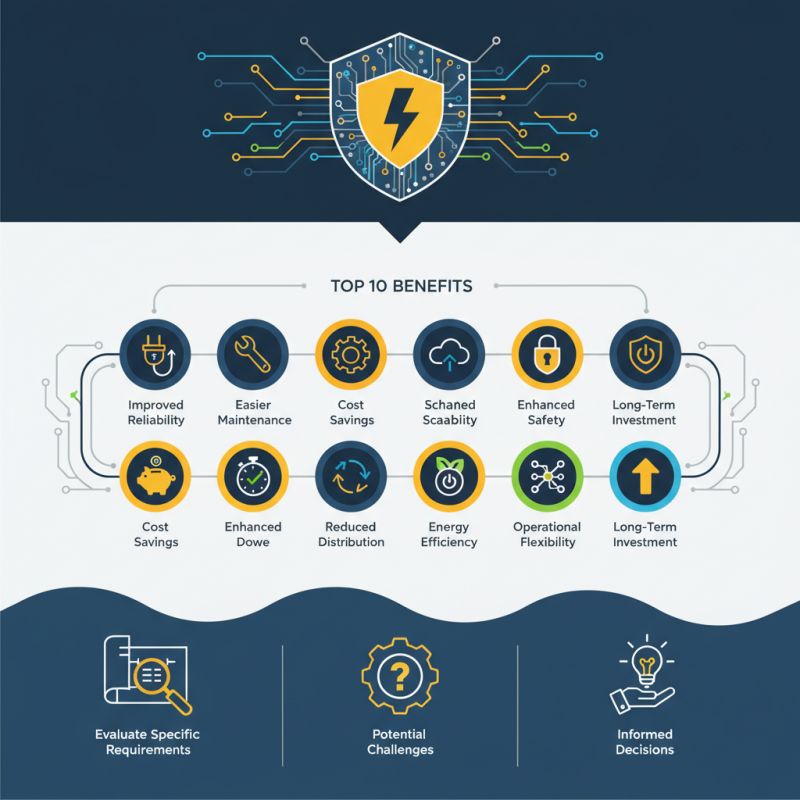
However, understanding its implementation is crucial. Not all businesses may need such advanced units. We must evaluate specific requirements and potential challenges. Choosing the right electrical solutions requires expertise and careful consideration. This article explores the top ten benefits of using Electrical Ring Main Units, helping businesses make informed decisions for their power needs.
Electrical Ring Main Units (RMUs) significantly enhance safety for businesses. These units provide a robust solution for electrical distribution systems. They connect multiple circuits in a single unit, reducing risks associated with electrical faults. By centralizing power distribution, RMUs minimize the chances of short circuits and electrical fires. This is crucial for workplaces where safety is a priority.
Utilizing RMUs can streamline maintenance efforts and make systems more reliable. Operators can quickly isolate problems without shutting down the entire grid. This flexibility saves time and reduces operational disruptions. However, it is vital to ensure that staff are trained to handle these systems properly. Regular inspections are necessary to maintain the reliability of RMUs. Sometimes, neglecting this can lead to safety hazards.
Enhanced safety also comes from their design. RMUs include features like surge protection and are often built with durable materials. This design helps to withstand extreme conditions. While they offer many advantages, there is still room for improvement. Continuous updates in technology require businesses to stay informed. Investing in training and updates will yield long-term benefits and ensure safety remains a top priority.
In modern business environments, electrical ring main units (RMUs) significantly enhance power distribution efficiency. These systems minimize energy loss. By optimizing the electric flow, they ensure more reliable service. Businesses can reduce downtime due to power issues. This reliability is key for operations that rely heavily on consistent energy supply.
Efficiency is one of the most compelling benefits. RMUs can handle varying loads effectively. They distribute power evenly across different areas. This feature prevents overloads in any section of the network. However, businesses must regularly monitor these units. Neglect can lead to potential failures or inefficiencies.
Another vital aspect is safety. RMUs include protective devices. These devices safeguard both personnel and equipment. However, improper installation or maintenance can introduce risks. Proper training is crucial for staff handling these systems. Ongoing education ensures they can respond to issues quickly. Effective management of electrical systems is an ongoing journey. It requires consistent effort and attention to detail.
Electrical Ring Main Units (RMUs) are gaining attention for their cost-saving benefits. These systems reduce installation costs significantly. They require less cabling compared to traditional systems. This simplicity can lower both material and labor expenses.
Maintenance is often a major concern for businesses. Ring Main Units come with reduced maintenance needs. Their design minimizes wear and tear, extending the lifespan of components. Less frequent maintenance means fewer disruptions to operations. However, businesses must ensure that initial installation is done correctly to fully realize these benefits.
While RMUs can lead to savings, it's essential to consider possible failures. Thorough training for staff is crucial. Without proper understanding, even the most efficient systems can falter. Ongoing education and support are necessary to maximize efficiency. It's a continuous process of learning and adaptation.
The bar chart illustrates the top 10 benefits of using Electrical Ring Main Units for businesses, highlighting key advantages such as cost savings and reduced maintenance. Each benefit is rated out of 10 to provide a clear understanding of their importance.
As businesses expand, their electrical needs evolve. Electrical Ring Main Units (RMUs) offer a flexible design that adapts to changing requirements. These systems can scale easily, accommodating increased loads without needing a complete overhaul. They allow you to efficiently manage energy distribution across multiple locations, keeping your operations running smoothly.
The modular nature of RMUs means they can be tailored to fit specific business layouts. This customization helps prevent energy waste and enhances overall efficiency. You can expand or reduce capacity as needed, which is crucial for companies that experience rapid growth or fluctuations in demand. However, businesses must be aware of potential integration challenges when upgrading systems.
Installation may require careful planning. Missteps during this process can lead to power outages or inefficiencies. Regular maintenance is necessary to ensure optimal performance. While RMUs provide flexibility, consistent oversight is essential to avoid potential pitfalls. Investing in RMUs can be beneficial, but understanding the constraints and challenges is equally important.
Energy-efficient ring main units (RMUs) offer significant environmental benefits for businesses. These units minimize energy loss, which directly contributes to a reduction in carbon emissions. By using RMUs, companies can lower their carbon footprint while enhancing their operational efficiency. This eco-friendly approach resonates well with consumers who prioritize sustainability.
One effective tip is to regularly maintain your RMUs. This ensures they operate at peak efficiency. Routine checks help identify any issues early, preventing energy wastage. Another suggestion is to track energy consumption closely. Monitoring can reveal patterns that facilitate improvements, driving further energy savings.
Switching to energy-efficient RMUs can also reduce operating costs. Significant savings on energy bills can be redirected to other critical areas of the business. However, choosing the right RMU can be challenging. Companies should assess their specific needs to avoid unnecessary expenditures. Opting for the wrong system could lead to inefficiency. Understanding your energy requirements helps in making informed decisions.
| Benefit | Description | Environmental Impact |
|---|---|---|
| Energy Efficiency | Reduces overall energy consumption | Lower carbon emissions |
| Reliability | Minimizes power outages and disruptions | Less waste from power restoration efforts |
| Compact Design | Requires less space for installation | Efficient use of land resources |
| Enhanced Safety | Reduces the risk of electrical hazards | Promotes a safer workplace |
| Flexibility | Easily adaptable to changing power needs | Supports sustainable energy growth |
| Cost Savings | Lower operational and maintenance costs | Reduced strain on resources |
| Scalability | Can be expanded easily as the business grows | Supports sustainable expansion |
| High Performance | Maintains stable power delivery | Higher energy productivity |
| Improved Monitoring | Allows for real-time energy management | Promotes efficient energy usage |
| Environmental Compliance | Helps meet regulatory energy standards | Supports eco-friendly practices |