Packaging Specialists
Packaging | Healthcare | Moulding

What are the Benefits of Sleeve Packaging for Products?

In today's competitive market, brands explore various packaging solutions. One option gaining momentum is sleeve packaging. This innovative design offers many benefits that can enhance a product’s appeal and functionality.

Sleeve packaging wraps around products snugly. This design often provides vibrant and eye-catching graphics. Such visuals can help capture consumer attention more effectively. The flexibility of sleeve packaging allows for unique shapes and sizes. It also accommodates different materials, making it versatile.

However, sleeve packaging is not without its challenges. Brands must balance aesthetics with practicality. Making decisions requires thoughtful consideration of materials and costs. As businesses weigh their options, the potential for sustainability should not be overlooked. Embracing sleeve packaging could lead to a more efficient and engaging way to present products, but it prompts a need for reflection on environmental impacts.

What are the Benefits of Sleeve Packaging for Products?

Overview of Sleeve Packaging and Its Applications

Sleeve packaging has gained traction in various industries, from food to cosmetics. It's a form of packaging where a printed sleeve fits over a container, providing visual appeal and product protection. This type of packaging can enhance visibility on shelves. A study by Smithers Pira shows that the global sleeve label market is predicted to grow by 4.8% annually, reaching $3.7 billion by 2024. This growth reflects a rising preference for customizable and eye-catching designs.

One of the notable benefits of sleeve packaging is its versatility. Sleeves can be easily adjusted to fit different sizes and shapes of products. They can accommodate unique bottle designs and offer full-color graphics. In personal care, for example, the ability to create standout visuals helps brands differentiate from competitors. However, some industry experts note that the effectiveness of sleeve packaging can be compromised if not executed properly. Poorly fitted sleeves may lead to damage or cheapen product perception.

Moreover, sleeve packaging often emphasizes sustainability. Many companies are now opting for recyclable materials, aligning with consumer demands for eco-friendly solutions. The Association of Plastic Recyclers reported that over 60% of consumers prefer brands that utilize sustainable packaging. Yet, transitioning to eco-friendly materials can be challenging. Some options may not offer the same durability, prompting companies to weigh cost against environmental responsibility. This ongoing balance remains essential for long-term success.
Key Advantages of Sleeve Packaging for Product Presentation

What are the Benefits of Sleeve Packaging for Products?

Sleeve packaging is gaining popularity for its unique advantages in product presentation. The visual appeal is often enhanced through vibrant graphics and innovative designs. According to a 2022 market analysis, products with eye-catching sleeve packaging saw a 30% increase in consumer engagement compared to traditional labels. This could be due to the ability of sleeves to wrap around various shapes and sizes, offering versatility that many brands find appealing.

Moreover, sleeve packaging significantly contributes to branding. A report from the Packaging Association indicated that 75% of consumers make snap judgments based on packaging appearance. This means that well-designed sleeve packaging can directly impact buying decisions. With the rise of e-commerce, the first impression of the product matters more than ever. A striking sleeve can also encourage consumers to share images on social media, enhancing organic reach.

However, challenges exist. Some manufacturers struggle with the production costs associated with custom sleeve designs. Additionally, sustainability concerns arise, as not all sleeve materials are eco-friendly. Brands must balance visual appeal with environmental responsibility. Packaging that looks great but is not recyclable can deter eco-conscious consumers. This aspect requires careful consideration in the design process to ensure long-term brand loyalty.

Cost-Effectiveness of Sleeve Packaging Compared to Other Methods

Sleeve packaging stands out for its cost-effectiveness. Many companies have seen significant savings by switching to this method. According to a recent report by Smithers Pira, sleeve packaging can reduce materials costs by around 30% compared to traditional boxes and rigid packaging methods. This reduction makes a tangible difference, especially for businesses with tight budgets.

In addition to lower material costs, sleeve packaging often requires fewer resources during production. The streamlined processes involved can lower labor costs, resulting in overall savings. For example, the Flexible Packaging Association found that companies using sleeve packaging report saving approximately 15% on labor expenses. However, not every scenario may yield these savings. Businesses must assess their unique needs and product types before making the switch.

Another factor to consider is waste. Sleeve packaging generates less waste than traditional methods. This environmentally friendly aspect can enhance a brand’s image. Nonetheless, if not designed correctly, sleeves can lead to increased material consumption. Brands might find it challenging to strike a balance between sustainability and functionality. Each company must weigh these pros and cons carefully.

Environmental Benefits of Using Sleeve Packaging Materials

What are the Benefits of Sleeve Packaging for Products?

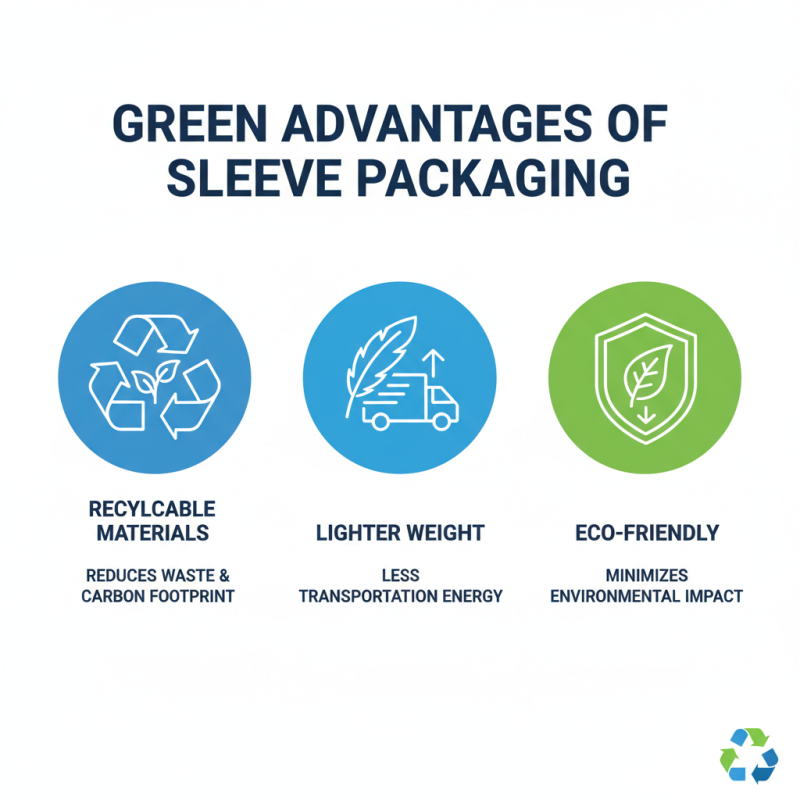
Sleeve packaging offers significant environmental benefits that deserve attention. These materials are often made from recyclable components. This reduces waste and minimizes the carbon footprint. Many sleeve packages are lighter than traditional packaging. This can lead to less energy consumption during transportation.

Moreover, sleeve packaging can be designed to use fewer resources to produce. When using sustainable materials, the overall environmental impact decreases. A reduced amount of raw materials is a step in the right direction. However, not all sleeve materials are biodegradable. This is a gap that industry players must address.

The visual appeal of sleeve packaging can promote products effectively. Yet, focusing only on aesthetics may overlook sustainability. It is crucial to balance design with environmental responsibility. Companies must consider the full lifecycle of packaging. This includes sourcing, production, and eventual disposal. Reflecting on these aspects can lead to more eco-friendly practices.

Enhancing Branding and Customer Engagement with Sleeve Packaging

Sleeve packaging offers unique advantages for enhancing branding and engaging customers. This form of packaging wraps around a product, providing a vibrant canvas for design. Brands can use bold colors and creative graphics that catch the eye. A well-designed sleeve can create an immediate connection with the consumer. Visual appeal is crucial in retail environments where competition is fierce.

Additionally, sleeve packaging can communicate a product's story effectively. Textured surfaces or cut-outs can engage customers’ senses. It invites them to interact closely with the product. However, not all designs resonate equally. Misjudging target demographics can lead to missed opportunities. Brands must continually reassess their approaches to ensure relevance and effectiveness.

Moreover, sleeve packaging can offer practical benefits too. It is often recyclable and can reduce waste. Simplifying the packaging can also lead to cost savings in production. However, sacrificing aesthetics for practicality may diminish the impact. Brands need to balance these aspects thoughtfully, as innovation drives both customer loyalty and sales.

Benefits of Sleeve Packaging for Products

This chart illustrates the key benefits of sleeve packaging for products, highlighting aspects such as brand visibility, customer engagement, sustainability, cost-effectiveness, and shelf appeal. Each benefit is represented as a percentage, showing its impact in today's market.