Packaging Specialists
Packaging | Healthcare | Moulding

What is Barcode Printed Labels and How to Use Them?

barcode printed labels are essential in today’s fast-paced business environment. According to the latest market research, the global barcode technology market is projected to grow at a compound annual growth rate (CAGR) of over 6% through 2025. This growth reflects an increasing reliance on barcode systems for inventory management, shipping, and retail operations.

These labels improve accuracy in tracking products, reducing human error significantly. A study found that businesses using barcode printed labels decreased errors by more than 30%. Furthermore, these labels streamline operations, enhancing efficiency and saving costs. However, businesses often struggle with choosing the right label material or designing effective barcodes. A poorly designed barcode can lead to scanning issues, causing delays.

The implementation of barcode printed labels needs careful planning and execution. Organizations must invest time in training staff and maintaining equipment. The right barcode solutions can revolutionize processes. Yet, many businesses overlook potential challenges, leading to inefficiencies. Understanding the intricacies of barcode printed label applications is crucial for businesses aiming for operational excellence.
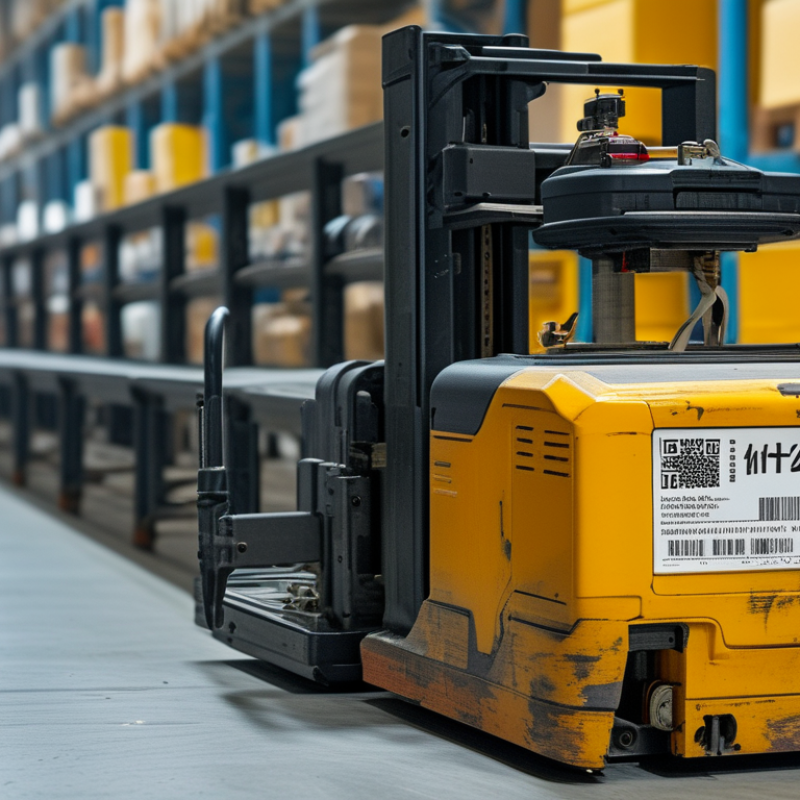
What is Barcode Printed Labels and How to Use Them?

What Are Barcode Printed Labels and Their Key Features?

Barcode printed labels are essential tools for many industries. They consist of a scannable barcode printed on durable material. This technology allows for efficient tracking and management of inventory. They enhance accuracy in product identification and streamline operations. Many businesses rely on barcode labels to reduce human error in tracking supplies and products.

Key features of barcode printed labels include their durability and versatility. They can be designed for various environments, whether it is a warehouse or a retail store. The labels are often resistant to moisture and tearing, ensuring longevity. Most barcode labels come with options for customization, allowing businesses to include branding elements. Their ability to store data compactly makes them invaluable for inventory management and logistics.

Challenges may arise with the readability of barcode labels. Poor printing quality or damage can lead to scanning errors. It is crucial to regularly inspect labels for wear and tear. Businesses should also consider their printing methods, as low-quality printers may produce unreadable barcodes. Reflecting on these aspects can help improve overall efficiency and accuracy in operations.

The Evolution of Barcode Technology in Retail and Logistics

The evolution of barcode technology has profoundly impacted retail and logistics. In the late 20th century, barcodes emerged as a revolutionary tool, enabling automated processes. This innovation helped reduce human error and improved inventory management. A report from GS1 highlights that the use of barcodes in retail leads to a 30% increase in operational efficiency.

Initially, barcodes were simple. They consisted of vertical lines scanned by laser technology. However, advancements have transformed them into two-dimensional QR codes and beyond. A recent study shows that 85% of retailers now use advanced barcoding for better tracking. Yet, despite this progress, challenges remain. Not all staff is trained adequately, leading to scanning errors. Approximately 20% of barcodes can fail to scan due to poor labeling or damage.

In logistics, barcodes streamline tracking throughout the supply chain. With precise data capture, businesses can optimize routes and reduce excess inventory. Nevertheless, reliance on technology is a double-edged sword. Outdated systems can hinder operations. Reports indicate that 40% of companies face integration issues with new barcode technologies. Therefore, an ongoing commitment to training and system upgrades is essential for success.

What is Barcode Printed Labels and How to Use Them? - The Evolution of Barcode Technology in Retail and Logistics

Dimension Value
Barcode Type QR Code
Common Uses Inventory Management, Checkout Process, Product Labeling
Industry Adoption Rate Over 90% in Retail and Logistics
Benefits Increased Efficiency, Reduced Errors, Improved Tracking
Challenges Scanning Issues, Data Security, Integration Complexity
Future Trends Integration with IoT, Increased Use in E-commerce, Enhanced Data Analytics

How to Properly Design and Print Barcode Labels for Various Uses

Designing and printing barcode labels is crucial for effective inventory management and product tracking. According to recent industry reports, approximately 93% of businesses rely on barcode systems to enhance operational efficiency. This high statistic emphasizes the importance of utilizing well-designed barcode labels in various applications.

When creating barcode labels, prioritize clarity and scalability. Choose high-contrast colors to increase readability. Avoid busy backgrounds. A study revealed that poorly designed labels can lead to scanning errors in 30% of cases. Keep label dimensions appropriate for different equipment and environments.

Incorporating essential information is vital. Include item names, product codes, and other relevant data alongside the barcode. Research shows that labels with additional context improve scanning accuracy by up to 25%. Users should regularly assess the label designs against actual usage. This reflection can uncover potential inefficiencies, guiding future improvements.

Best Practices for Scanning and Managing Barcode Labels in Inventory

Barcode labels are essential tools in modern inventory management. Scanning these labels enhances accuracy and efficiency. However, to maximize their effectiveness, certain management practices must be observed.

Ensure that barcode labels are clear and correctly printed. Poor quality can lead to scanning errors. Regularly check scanners and printer settings to maintain quality. Staff training also plays a critical role. Employees should understand how to use scanners properly to avoid frustrating errors.

Organize inventory locations based on barcode systems for easy access. This saves time during retrieval. Implement regular audits to confirm that the system aligns with physical inventory. Address any discrepancies immediately. Reflection on these practices can reveal areas needing improvement, enhancing overall inventory operations.

Barcode Usage in Inventory Management

This chart represents the percentage of various applications of barcode printed labels in inventory management. The data highlights how barcodes enhance efficiency and accuracy in managing stock.

Industry Statistics on Efficiency Gains from Using Barcode Systems

Barcode systems have revolutionized operations across various industries. According to a report by the International Journal of Production Economics, companies adopting barcode systems have seen efficiency gains of up to 30%. This efficiency translates into significant time savings during inventory management. For warehouses, using barcode printed labels can minimize errors in product handling, thus streamlining the supply chain process.

Data from the Warehousing Information Network reveals that organizations implementing barcode technology report an average 20% reduction in inventory discrepancies. These discrepancies often lead to financial losses and dissatisfied customers. Furthermore, a survey conducted by the Automatic Identification and Data Capture Association found that 70% of firms using barcode systems improved their order fulfillment speed, enhancing overall customer satisfaction and loyalty.

However, the transition to barcode systems isn't without challenges. Initial setup costs and training for staff can be hurdles for smaller businesses. While the long-term benefits, such as data accuracy and operational efficiency, are compelling, companies must carefully weigh these against the upfront investment. As with any technology, ongoing evaluation and adjustment are crucial to maximizing the system's effectiveness.