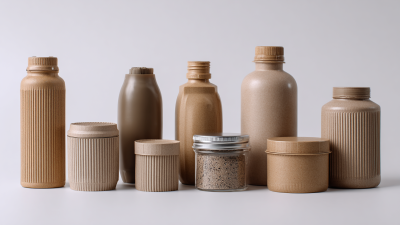
In recent years, the packaging tubes market has seen remarkable growth. Forward-thinking companies are exploring innovative designs and materials. As we approach 2026, understanding these trends is crucial for global buyers seeking a competitive edge in packaging.
Packaging tubes are now more than just functional. They offer branding opportunities and sustainable choices. These tubes cater to various industries, from cosmetics to food. Enhanced user experience is at the forefront of these developments. Buyers can expect to see smart designs that engage consumers better.
While advancements are impressive, challenges remain. Sourcing eco-friendly materials can be difficult. Not all manufacturers prioritize sustainability. Some trends may not suit every market. It’s essential to consider local needs and preferences. By staying informed about packaging tubes trends, buyers can make strategic decisions that benefit their brands.

The global packaging tube market is witnessing significant changes as we approach 2026. Sustainability remains a key focus. Many consumers are demanding eco-friendly options. This trend is pushing companies to adopt sustainable materials and production practices. Tubes made from biodegradable and recyclable materials are becoming popular. Such innovations reflect a broader shift toward environmental responsibility.
Branding through packaging is also gaining traction. Unique visuals and designs catch consumers’ attention. Tubes that allow for customization empower brands to express their identity. Consumers prefer products that resonate with their values. Packaging becomes not just a container but a statement.
**Tips:** Consider adopting eco-friendly materials in your packaging. It's a smart choice for both the environment and consumer appeal. Test different designs to see what resonates best with your audience. Engage with consumers to gather feedback on packaging choices. Remember, the packaging might influence the buying decision.

As we look towards the future, sustainable materials in packaging tubes are gaining significant traction. Eco-friendly options like biodegradable plastics, recycled paper, and plant-based materials are becoming essential. These materials reduce environmental impact and meet rising consumer demands for sustainability. They help brands stand out while promoting responsibility.
However, the journey is not without its challenges. Sourcing these materials can be more expensive than traditional options, leading to potential cost adjustments in production. Moreover, some sustainable materials may not perform as well in preservation or usability. Companies must critically evaluate their choices to balance cost and environmental benefits. Continuous innovation and research are crucial for overcoming these hurdles and improving functionality.
The commitment to sustainability reflects a broader cultural shift. Consumers are increasingly favoring brands that prioritize eco-friendly practices. This trend signifies a growing awareness around environmental issues. Companies must adapt quickly, or they risk falling behind in an evolving market. The focus on sustainable packaging tubes is not just a trend; it’s a necessary evolution.
In the evolving landscape of packaging, innovative designs play a crucial role. Tubes are not just containers; they symbolize brand identity and user convenience. The latest trends showcase tubes with unique shapes and functional features. For instance, easy-to-dispense nozzles enhance usability. Meanwhile, eco-friendly materials cater to the growing demand for sustainability. This reflects a deeper understanding of consumer preferences.
Aesthetics matter greatly in packaging design. Bright colors and minimalist styles can attract more attention on shelves. Unique printing techniques and finishes add an extra layer of appeal. However, while focusing on these innovations, brands must also consider practicality. For example, overly complex designs may confuse users. A balance between eye-catching and user-friendly is essential.
Some trends, though bold, may require rethinking. Experimenting with unusual materials can lead to unexpected results. There are risks involved in pushing creative boundaries. Brands should always seek feedback. This ensures their designs not only stand out but also meet consumer needs efficiently.
The rise of e-commerce has significantly influenced packaging tube demand. With more consumers shopping online, the need for efficient and protective packaging has grown. Online retailers prioritize packaging that ensures product safety during transit. This trend pushes manufacturers to innovate their tube designs and materials.
Lightweight and durable materials are becoming essential. Many consumers prefer eco-friendly options as sustainability gains importance. However, striking a balance between packaging strength and environmental impact remains a challenge. Brands must consider these factors carefully to meet consumer demands while maintaining efficiency.
Additionally, customization is on the rise. Personalized packaging enhances customer experience and brand loyalty. But, this often leads to higher production costs. Finding cost-effective solutions without sacrificing quality is a vital concern. As packaging tubes evolve, companies must remain adaptable to market changes, reflecting consumer preferences and sustainability goals.
| Trend | Description | Impact of E-commerce | Projected Growth Rate (%) | Key Materials Used |
|---|---|---|---|---|
| Sustainable Materials | Increase in demand for eco-friendly materials. | Higher as consumers prefer sustainable options. | 15% | Recycled paper, bioplastics |
| Customization | Growing trend for personalized packaging solutions. | Significant boost due to online shopping personalization. | 10% | Cardboard, flexible films |
| Smart Packaging | Integration of technology for tracking and safety. | Increased demand for safety and supply chain transparency. | 20% | RFID tags, QR codes |
| Minimalist Design | Focus on simple, clean aesthetics. | Popular among online sellers for visual appeal. | 12% | Glass, aluminum |
| Child-Resistant Packaging | Essential for products targeting young consumers. | Critical for e-commerce sales of sensitive products. | 8% | Plastic, composite materials |
In 2026, consumer preferences are fundamentally reshaping the packaging tube industry. Sustainability has become a top priority for buyers. Many consumers now actively seek eco-friendly materials. This shift is evident in their purchasing decisions. Brands that utilize recyclable or biodegradable materials often attract loyal customers.
Moreover, convenience plays a vital role in consumer choices. Packaging tubes that are easy to open and dispense are highly favored. Frequent users appreciate designs that reduce waste and enhance usability. These preferences push manufacturers to innovate continually. Yet, some consumers still face challenges with accessibility. This indicates a need for greater inclusivity in packaging design.
Aesthetic appeal is also important. Packaging must be visually engaging to capture attention. Experimentation with colors and textures can create a memorable experience. However, brands must balance aesthetics with functionality. Some overemphasize design and forget usability. Understanding consumer needs is essential. It requires ongoing feedback and adaptation.
This chart illustrates the key trends shaping the packaging tube industry for global buyers in 2026, highlighting consumer preferences related to sustainability, convenience, design innovation, smart packaging, and cost efficiency.