Packaging Specialists
Packaging | Healthcare | Moulding

2026 Top Cooling Tower Innovations and Technologies?

In the rapidly evolving world of HVAC systems, innovations in cooling tower technology are crucial. As John Smith, a leading expert in the cooling tower industry, stated, "The future of cooling towers lies in efficiency and sustainability." These advancements focus on reducing energy consumption while enhancing performance.

Recent trends suggest that smart cooling towers are at the forefront. They incorporate IoT technology for real-time monitoring and control. This allows operators to optimize energy use and reduce operational costs. However, these systems also pose challenges. Integration with existing infrastructures can be complex and costly.

Sustainability is another major focus. New materials and designs aim to minimize water usage and environmental impact. While promising, these innovations may require a significant upfront investment. Overall, the cooling tower sector is at a crossroads, balancing efficiency with the need for strategic, thoughtful implementation.
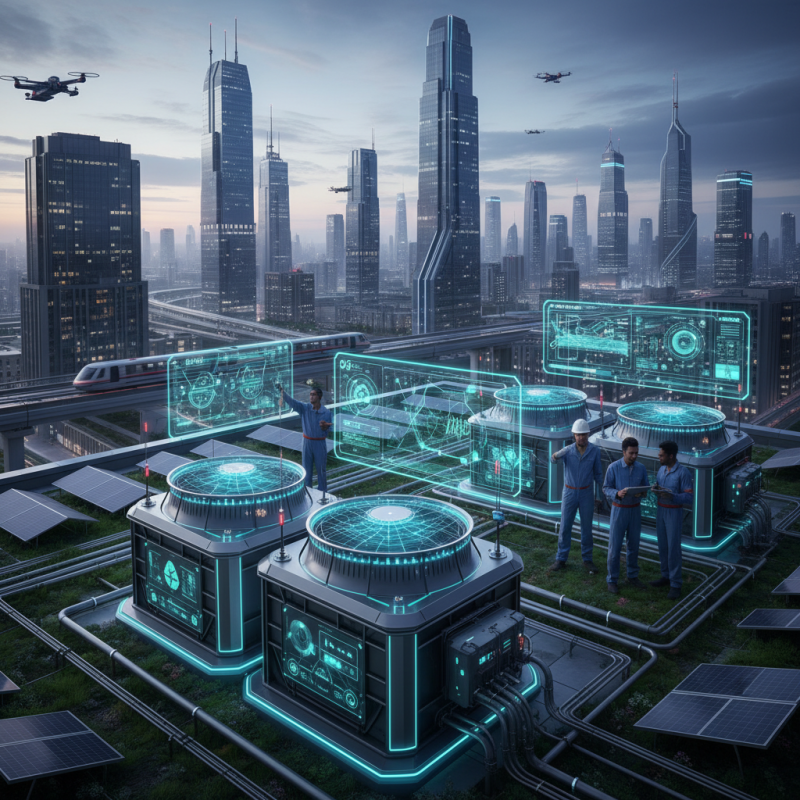
2026 Top Cooling Tower Innovations and Technologies?

Emerging Trends in Cooling Tower Design and Efficiency for 2026

As we approach 2026, cooling tower innovations are advancing rapidly. Designers are focusing on sustainability and energy efficiency. This shift aims to reduce water consumption, a critical factor amid growing water scarcity. Innovative materials, such as advanced composites, enhance durability while minimizing environmental impact.

Emerging trends include modular designs. These systems allow for easier maintenance and scalability. Users can adjust capacity based on current needs. However, this adaptability can lead to enterprise-based complexities. Integrating smart technology is another significant trend. Sensors and IoT can optimize performance and predict failures. Yet, reliance on technology raises concerns about cybersecurity in industrial settings.

Heat recovery systems are gaining traction as well. By using waste heat, plants can enhance overall efficiency. This approach helps in lowering operational costs. However, it may require rethinking older infrastructures. Balancing innovation with practicality remains a challenge for many in the industry.

Advancements in Materials and Construction Techniques for Cooling Towers

The cooling tower industry is witnessing significant advancements in materials and construction techniques. Innovations aim to enhance efficiency and sustainability. According to a recent industry report, energy-efficient cooling towers can reduce operational costs by up to 30%. This allows facilities to save on energy bills while also decreasing their carbon footprint.

New materials, such as composite plastics and advanced alloys, are gaining popularity. These materials are lightweight and corrosion-resistant, which improves durability. An analysis indicated that using these materials can extend the lifespan of cooling towers by up to 15 years. However, the shift to these innovations has faced challenges in industry adoption. Many older facilities are hesitant to invest in new technologies due to budget constraints and legacy systems.

Construction techniques are evolving as well. Modular construction methods allow for faster assembly and reduced installation costs. Reports show that modular cooling towers can be installed up to 40% quicker than traditional designs. Despite these benefits, issues such as regulatory compliance and site-specific adaptation still pose significant hurdles. Addressing these challenges is essential for the future of cooling tower innovations.

Integration of IoT and Smart Technologies in Cooling Tower Operations

The integration of IoT and smart technologies is transforming cooling tower operations. Sensors and connectivity enhance monitoring and control. These advancements lead to improved efficiency and reduced energy consumption. For instance, temperature sensors can provide real-time data. This data helps in proactive maintenance, preventing costly breakdowns.

Tips for optimal use of IoT: Regularly update software to protect against vulnerabilities. Ensure data security by using encryption. Sometimes, technology can overwhelm staff. Training is crucial to help teams adapt.

Innovations in predictive analytics are noteworthy. They analyze data trends for better forecasting. This helps in decision-making processes. Yet, it requires a culture of openness. Teams must be willing to learn from errors. Not all forecasts will be accurate. Embrace those moments to refine the approach.

Sustainability Practices: Eco-Friendly Innovations in Cooling Towers

Sustainability in cooling towers is gaining momentum. Innovations focus on reducing water usage, energy consumption, and carbon footprint. A recent report by the Cooling Technology Institute highlighted that improving cooling system efficiency can cut energy costs by up to 30%. This shift is crucial as industries strive for greener operations.

New eco-friendly technologies are emerging. For example, the use of advanced materials minimizes maintenance needs while enhancing performance. These materials can resist corrosion and reduce heat absorption. Energy recovery systems are another innovation, capturing waste heat for reuse. This not only boosts efficiency but also lowers environmental impact.

Tips: Consider implementing water-saving technologies. They reduce costs and benefit the environment. Evaluate your cooling tower's design; optimizing airflow can lead to significant energy savings.

Remember, every small step can lead to larger changes. Investing in sustainable practices may seem complex but is essential for future success. Look beyond just regulations. Reflect on how eco-innovations align with your company values.

Future Challenges and Opportunities in Cooling Tower Technology Development

The cooling tower industry faces significant challenges in the coming years. Increasingly stringent environmental regulations require more efficient technologies. According to a recent report by the International Energy Agency, cooling towers account for nearly 30% of industrial energy consumption. Innovations are essential to lower energy usage and reduce carbon footprints.

Emerging technologies like hybrid cooling systems are gaining attention. They combine evaporative and dry cooling methods to enhance efficiency. However, adoption rates remain low. Many facilities resist change due to high initial costs and complexity. A survey by the Cooling Technology Institute showed that 60% of users are hesitant about new systems. This reflects a broader issue within the industry: a reluctance to embrace innovation.

There is also a growing demand for better water conservation practices. Water scarcity is an increasing concern worldwide. The World Resources Institute reported that 17 countries face extreme water stress, impacting cooling tower operations. Implementing innovative water treatment processes could mitigate this issue. Yet, the path forward remains unclear as industries grapple with balancing costs, environmental impact, and technology adoption.

2026 Top Cooling Tower Innovations and Technologies

Innovation Technology Type Efficiency Improvement (%) Sustainability Impact Market Adoption Rate (%)
Smart Control Systems Automation 15 High 60
Hybrid Cooling Towers Cooling Method 20 Medium 45
3D Printed Components Manufacturing 10 Low 30
Advanced Water Treatment Filtration 25 High 50
Evaporative Cooling Enhancements Cooling Technology 18 Medium 65

Article Source: