Packaging Specialists
Packaging | Healthcare | Moulding

2026 Best HPMC for Sale What to Consider Before Buying?

When looking for hpmc for sale, buyers must navigate various options. Understanding the specific features of HPMC is essential. This cellulose derivative has diverse applications, making it crucial to choose the right type.

Consider the quality and brand reputation. Not all suppliers provide the same level of quality or consistency. Research is needed. Potential buyers should analyze product specifications and customer reviews to assess the quality.

Pricing is another factor. It often reflects quality and reliability. A lower price might seem attractive, yet it could indicate inferior quality. Understanding these aspects ensures that you make an informed decision when purchasing HPMC for your needs.
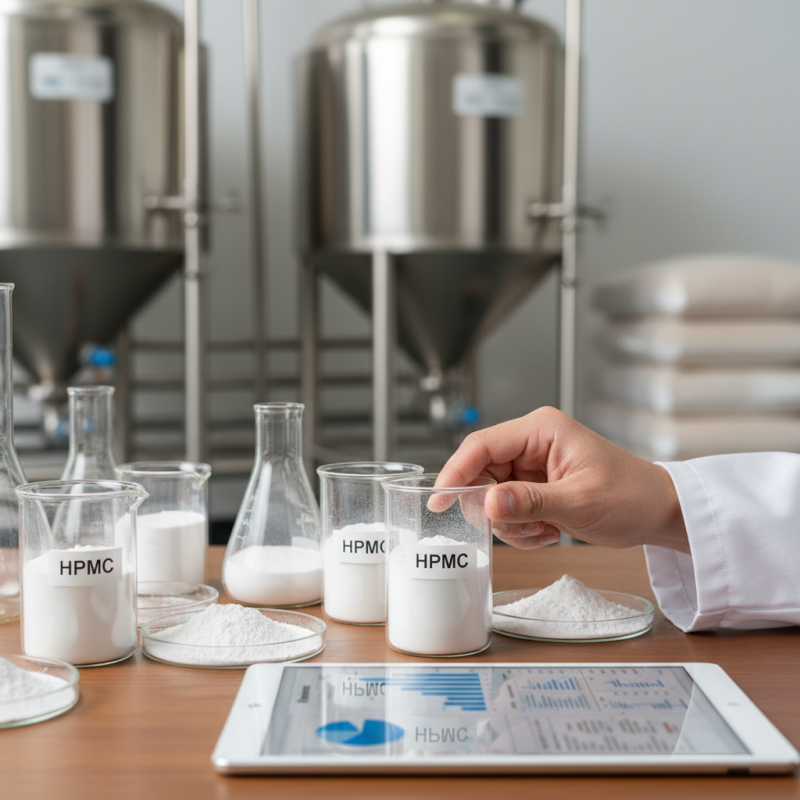
2026 Best HPMC for Sale What to Consider Before Buying?

Key Features of HPMC to Look For Before Purchasing

When considering HPMC, focus on several key features. First, the viscosity plays a crucial role. Higher viscosity products are often preferred, but they can affect application ease. Test different viscosities to find the best fit for your project.

Another important feature is solubility. Ensure that the HPMC dissolves easily in water, regardless of temperature. Use samples to evaluate how quickly and effectively it disperses. This will impact your project's efficiency.

Tips: Always read product labels carefully. Check for purity levels and any potential additives. Make sure the product meets your specific needs and standards.

Additionally, consider the particle size. Finer particles may enhance the mixing quality but may also lead to clumping if not handled properly. Conduct tests under various conditions to understand how the particle size affects usability.

Choosing HPMC can be challenging. Reflect on your project requirements clearly. Don’t rush into purchasing the first option available. Take your time to explore different types and perform practical trials. This careful approach will lead to better outcomes.

Types of HPMC and Their Applications in Various Industries

Hydroxypropyl Methylcellulose (HPMC) is widely used across various industries. Its versatility comes from its unique properties, making it essential in construction, pharmaceuticals, and food. For instance, in the construction sector, HPMC acts as a thickening agent and enhancing the water retention of mortars and plasters. According to a report by Research and Markets, the demand for HPMC in construction is projected to grow by 6.5% annually through 2026.

In the pharmaceutical industry, HPMC serves as a binder and film-forming agent in tablets. A study from Grand View Research highlights that the global market for HPMC in pharmaceuticals is expected to reach USD 380 million by 2025. Its safety profile and effectiveness as an excipient are driving this growth, appealing to manufacturers seeking high-quality formulations. Meanwhile, in food applications, HPMC is employed as a thickener and stabilizer, complying with stringent food safety regulations.

Despite its benefits, sourcing quality HPMC can be a challenge. Variability in purity and performance exists, necessitating careful selection. Manufacturers must reflect on their specific applications and desired outcomes. It's crucial to conduct thorough research. Adopting a one-size-fits-all mentality can lead to suboptimal results. Therefore, investing time in understanding the different types of HPMC and their suitability for particular applications is vital.

Factors Affecting the Quality and Performance of HPMC Products

When considering the best hpmc for sale, several key factors must be evaluated. The purity of HPMC is essential. Impurities can affect its performance adversely. A higher level of purity typically leads to better results in applications. Moreover, the viscosity grade is crucial. Different projects may require specific viscosity levels. Choose a product that aligns with your project needs.

Another factor is the source of raw materials. Sustainable practices can enhance the quality of HPMC. Assess the manufacturing process as well. Is it environmentally friendly? Are the processes transparent? These questions matter. Additionally, take note of the solubility characteristics. Not all HPMC is alike; some dissolve better in cold water, while others perform well in hot conditions. This could influence your project's outcome significantly.

Finally, testing samples before committing is wise. What works wonders in theory may not suit your needs. Perhaps the first choice doesn't perform as expected. Always seek real-world performance data. Continuous evaluation can sometimes reveal what was overlooked initially. In selecting HPMC, a thoughtful approach bridges the gap between quality and application success.

2026 Best HPMC for Sale: What to Consider Before Buying?

Property Importance Considerations Typical Values
Viscosity High Check the viscosity grade suitable for your application. 100 - 300,000 mPa·s
Methoxy Content Medium Choose based on solubility and water retention needs. 28% - 30%
Hydroxypropyl Content Medium Affects the thermal stability and film-forming properties. 6% - 12%
Gel Temperature High Critical for applications involving heat processing. 50°C - 80°C
Solubility High Must dissolve easily in cold and hot water for effective use. Cold and Hot Water Soluble

Comparison of Price and Value: How to Choose the Right HPMC

When purchasing Hydroxypropyl Methylcellulose (HPMC), understanding price versus value is crucial. Recent industry reports indicate that the average market price for HPMC ranges from $2.00 to $3.50 per kilogram. However, the value derived from HPMC can vary significantly based on its intended application. For example, construction-grade HPMC may cost more but offers superior performance in mortar and plaster applications. Thus, buyers should assess not only the price but also the functional benefits of the product.

Quality is another vital factor. High-viscosity HPMC can enhance water retention and workability. This quality is essential for applications in construction and food preparation. Reports from chemical suppliers highlight that lower-quality HPMC may not meet required performance standards. This can lead to additional costs due to poor performance or product failure. Buyers must weigh these considerations carefully.

Purchasing from reputable suppliers is equally important. Research shows that 30% of customers express dissatisfaction with the performance of cheaper alternatives. This can lead to costly rework or material waste. Ensuring a reliable source often results in higher upfront costs but delivers better long-term value. Keep these reflections in mind when exploring your HPMC options.

Reputation and Reliability of HPMC Suppliers in the Market

When considering HPMC suppliers, reputation and reliability are crucial elements. You want to ensure that the supplier has a solid track record. Look for reviews and testimonials from previous customers. Positive feedback often indicates a supplier you can trust. However, be mindful of overly positive reviews—some may not be genuine.

Reputation is built over time. A supplier well-established in the market is likely to have experience and stable products. Investigate how long they've been in business. Longevity often correlates with reliability. Yet, don’t overlook newer suppliers. They might offer innovative solutions and competitive pricing. Researching their background can provide insights.

Additionally, assess if they are transparent about their sourcing and manufacturing processes. This can signal their commitment to quality. Suppliers should be willing to provide certifications and test results. Be cautious if they are reluctant to share this information. It raises questions about their practices and products. In the end, choosing the right supplier takes careful consideration.

Article Source: