Packaging Specialists
Packaging | Healthcare | Moulding

2026 Best Forklift Collision Detection System Review and Benefits?

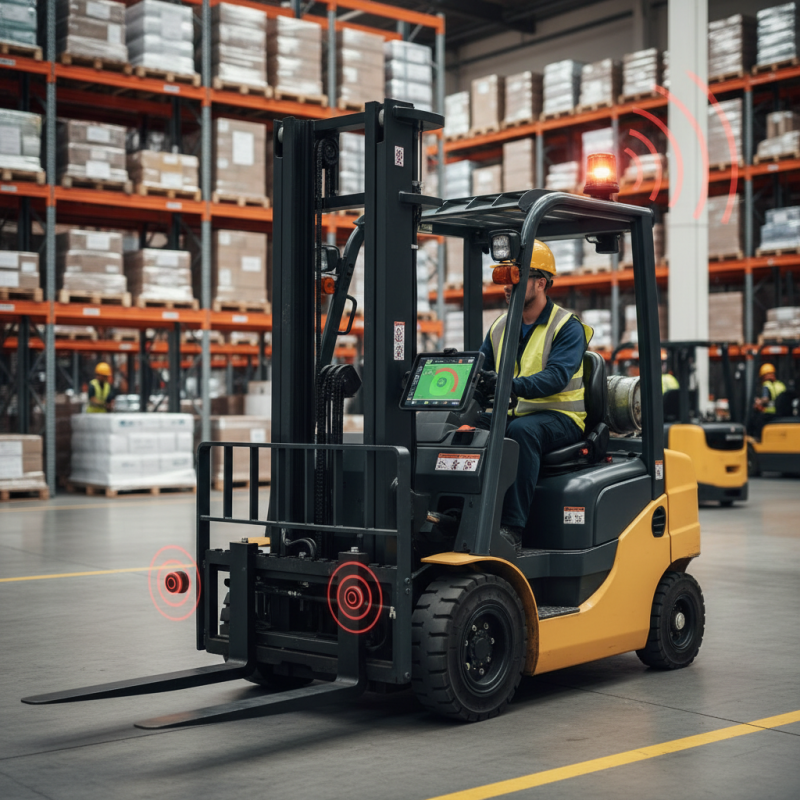
In today's fast-paced industrial environment, safety remains a top priority. One device making strides in this area is the Forklift Collision Detection System. This technology helps prevent accidents, thus safeguarding both workers and equipment. It functions by detecting nearby obstacles and alerting operators in real time.

Many industries rely on forklifts for daily operations. However, collisions can lead to serious injuries and costly damages. This is where the Forklift Collision Detection System becomes invaluable. It offers features such as proximity sensors and audible alarms. These elements work together to create a safer work area.

While the benefits are clear, not every system is perfect. Some may require regular maintenance or updates. It’s crucial to evaluate various systems to find the best fit for your needs. Understanding the limitations can help prevent unexpected challenges. Adopting the right Forklift Collision Detection System could make all the difference in enhancing workplace safety.
2026 Best Forklift Collision Detection System Review and Benefits?

Overview of Forklift Collision Detection Systems

Forklift collision detection systems are crucial for enhancing workplace safety. Statistics reveal that nearly 20% of all workplace injuries are linked to material handling equipment. These systems utilize sensors and cameras to identify potential collisions. When a forklift approaches an obstacle, alarms activate to alert operators instantly.

Incorporating these systems into daily operations can significantly reduce accident risk. A report by the National Safety Council states that implementing collision detection technology can lower accident rates by up to 30%. However, some facilities remain hesitant. The initial investment can be high, and integration into existing workflows can be complex.

Despite these challenges, the benefits often outweigh the drawbacks. Companies should carefully assess their needs and the specific capabilities of detection systems. Training is also essential to maximize effectiveness. Employers must ensure that staff understands how to interact with the technology effectively. As industries evolve, adapting to safety innovations becomes not just an option but a necessity.

Key Features to Look for in Forklift Collision Detection Systems

When evaluating forklift collision detection systems, key features are essential. One vital aspect is real-time monitoring. According to a 2023 industry report, companies that use real-time data saw a 30% reduction in accidents. Having immediate alerts can prevent collisions and save lives.

Another important feature is spatial awareness technology. This allows forklifts to detect obstacles within their vicinity. A study indicated that systems with advanced sensors reduced collision rates by 40%. Visual and audio signals guide operators effectively, creating a safer workspace.

Integration with warehouse management systems can enhance performance. Data from 2023 shows significant efficiency improvements when collision detection systems are part of the broader logistics framework. However, some companies struggled with integration, facing knowledge gaps in technology. These challenges highlight the need for ongoing training and system updates in maintaining safety and efficiency.

Benefits of Implementing Forklift Collision Detection Systems

Forklift collision detection systems have emerged as essential tools in modern warehouses and industrial settings. These advanced systems use sensors and cameras to identify potential obstacles. The real-time alerts help operators react quickly to avoid accidents. This proactive approach not only prevents injuries but also reduces property damage.

Implementing these systems offers numerous benefits. For example, they can significantly lower operational costs. Fewer accidents mean reduced insurance premiums and less downtime. Employees feel safer, which can boost morale. However, it's vital to train staff properly on how to interact with these systems. Some workers may struggle with adjusting to new technologies. This can lead to initial inefficiencies that need addressing.

In the long run, the positive impacts outweigh the challenges. As equipment evolves, so do the risks. Managers must continuously evaluate how well these systems function. Regular assessments can highlight areas for improvement, ensuring that safety remains a top priority in the workplace.

Top 2026 Forklift Collision Detection Systems on the Market

The market for forklift collision detection systems is rapidly evolving. Safety is a primary concern in warehouses and factories. According to a recent industry report, accidents involving forklifts result in over over 100 fatalities and thousands of injuries annually. This alarming statistic highlights the need for effective collision detection technology.

In 2026, the top systems utilize advanced sensors and real-time data analysis. These systems often include features like obstacle detection and alert mechanisms for operators. A survey indicated that 72% of warehouse managers believe these systems significantly reduce workplace accidents. However, not all systems are foolproof. Some users report false alarms and occasional system failures. This shows that while technology improves safety, it is not a complete solution.

Additionally, integrating these systems can be costly. Many companies struggle with the initial investment. A thorough cost-benefit analysis is essential. Realizing the potential for improved safety is crucial. However, it demands careful consideration of the unique needs of each workplace. Balancing safety with budget constraints remains a challenge for many businesses in this sector.

Future Trends in Forklift Collision Detection Technology

The future of forklift collision detection technology is evolving rapidly. Emerging systems are incorporating advanced sensors and artificial intelligence. These innovations aim to improve safety in warehouses and manufacturing. Enhanced obstacle detection minimizes accidents, protecting both operators and pedestrians. The integration of cameras and radar provides a 360-degree view of the surroundings. This multifaceted approach is designed to identify potential hazards effectively.

However, challenges remain. Not all systems can communicate seamlessly with existing hardware. There’s a risk of false positives, potentially causing unnecessary pauses in operations. Additionally, training workers to adapt to new technologies can be time-consuming. While the potential benefits are significant, organizations must evaluate costs and implementation hurdles.

The push for automated solutions continues to gain momentum. Autonomous forklifts are already beginning to change the landscape. They promise reduced human error, but they raise new safety concerns. As technologies advance, ongoing assessment and adaptation are crucial. Balancing innovation with safety will shape the future of forklift operations.